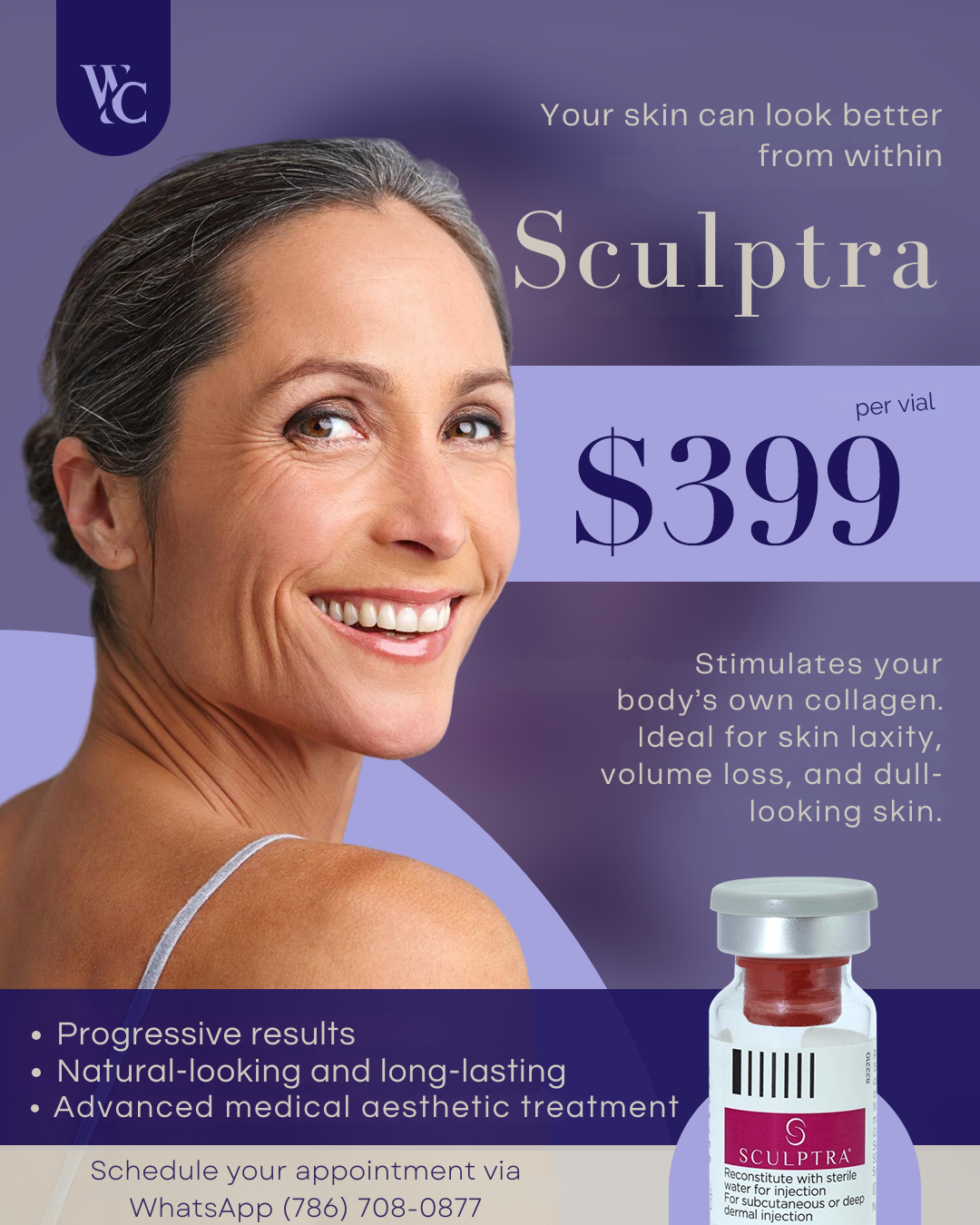

Dermal Treatments
Dermal Treatments are medical-grade injectable treatments used to restore volume, smooth out wrinkles and fine lines, enhance contours, and rejuvenate the appearance of the face (and in some cases, the hands). These treatments are performed using biocompatible substances injected into or under the skin by a trained healthcare provider.
The primary goals of Dermal Treatments are to:
- Add volume to areas where fat, collagen or structural support has diminished (for example cheeks, lips, under-eyes, jawline)
- Smooth moderate-to-severe facial wrinkles and folds (for example nasolabial folds)
- Improve facial contours (jawline definition, chin projection)
- Restore fullness to the back of the hands
- Improve the appearance of shallow scars or depressions
Dermal treatments differ from muscle-relaxing injectables (such as neuromodulator injections) in that volumizing injectables build or restore volume rather than target muscle contraction.
How Dermal Treatments Work
Mechanism of Action
When a treatment is injected under the skin:
- It physically occupies space and lifts the depressed or hollow area, thereby smoothing surface irregularities or enhancing contour.
- Many treatments (especially certain types) stimulate collagen production in the surrounding tissue, thereby increasing structural support over time.
The resulting effect is immediate (volume/contour change) with potential longer-term improvement as new collagen is formed and tissue remodels.
Materials / Types
Different materials are used in dermal treatments, each with distinct properties, longevity and indications. Major approved materials include:
- Hyaluronic Acid (HA): A naturally occurring sugar in the skin that binds water and creates plumping effect. Its benefits include immediate volume, reversibility (in many cases) and broad versatility.
- Calcium Hydroxylapatite (CaHA): A mineral-based volumizing injectable (also found in bone) suspended in a gel; used for deeper wrinkles and contouring.
- Poly-L-Lactic Acid (PLLA): A biodegradable synthetic material that acts more as a collagen-stimulator; volume builds gradually over time.
- Polymethylmethacrylate (PMMA) Microspheres: Non-absorbable tiny beads suspended in collagen; considered semi-permanent.
Choice of material depends on target area, desired longevity, volume requirement, patient skin quality, and safety profile.
Indications & Ideal Candidates
Indications
Dermal treatments are suitable for:
- Moderate to severe facial wrinkles and folds (such as nasolabial folds)
- Lip augmentation (to increase fullness or define borders)
- Cheek enhancement or restoration of mid-face volume loss
- Under-eye hollows (tear troughs)
- Chin and jawline enhancement/contouring
- Volume augmentation in the back of the hands
Shallow soft-tissue depressions or scars.
Ideal Candidate
A good candidate for dermal treatments typically:
- Is a healthy adult with no active skin infection or uncontrolled medical conditio
- Has realistic expectations and understands treatments are not permanent (except certain materials)
- Seeks non-surgical enhancement and has mild to moderate volume/contour deficiency
- Understands the maintenance and potential need for repeat treatments
Is willing to choose a skilled, qualified provider and adhere to pre- and post-care instructions.
Contraindications & Cautions
Dermal treatments may not be appropriate for those who:
- Have active infection or inflammation at the injection site
- Have a known allergy to treatment materials (e.g., bovine collagen) or to lidocaine (when included in injectable formulations).
- Have bleeding disorders or are on blood-thinning medications (which may increase bruising risk)
- Are pregnant or breastfeeding (safety data may be limited)
- Have unrealistic expectations or wish for dramatic surgical-type changes via treatment injection
Have prior complications or unusual anatomy that pose higher risk.
The Treatment Process
Pre-Treatment Consultation
In the initial visit, the provider will:
- Review medical history, existing conditions, medications, prior cosmetic treatments
- Assess facial anatomy, volume loss, skin quality, asymmetries and discuss goals
- Explain treatment options (material types, longevity, cost, risks)
- Discuss realistic outcomes, number(s) of syringes needed, maintenance plan
Provide pre-treatment instructions (e.g., avoid certain medications/supplements, limit alcohol, ensure skin is healthy).
Immediate Aftercare
- Mild redness, swelling, bruising or tenderness at injection sites are common and typically resolve in a few days.
- Patients may resume most normal activities right away, though strenuous exercise, excessive heat (sauna), alcohol or heavy sun exposure may be advised against for the first 24-48 hours.
- Some swelling may temporarily disguise the final result; optimal result often appears after a few days.
- Provider may schedule a follow-up to evaluate result and possibly touch up if asymmetry or minor correction is required.
Procedure
- The treatment is done in an office or clinical setting, typically 15-60 minutes depending on how many areas are treated.
- The skin is cleansed and prepped; numbing cream may be applied; some treatments contain lidocaine to reduce discomfort.
- The provider uses a fine needle or cannula to inject the chosen treatment material in precise locations (for example: cheeks, lips, nasolabial folds).
- Gentle massage may follow to shape the product.
The provider reviews the result with you, may photograph the outcome, and give immediate after-care instructions.
Results & Maintenance
What to Expect
- Immediate improvement in volume/contour is seen right after injection.
- Over the following weeks, treatment integrates with tissue and, in some materials, stimulates collagen so results may improve further.
- Duration of effect depends on the treatment material, area treated, metabolic factors, and lifestyle. For example: hyaluronic acid–based volumizing injectables may last about 6–12 months, calcium hydroxylapatite formulations may last up to 18 months or more, and PLLA-based collagen-stimulating injectables may last up to 2 years or more.
- Maintenance treatments are required if you wish to sustain desired appearance. Providers often recommend returning before the full “wear off” to maintain continuity of result and avoid “resetting” to baseline.
Longevity & Maintenance
- Smaller volume areas (lips) may require more frequent touch-ups than larger volume areas.
- Over time, repeated treatment treatments may lead to somewhat longer duration due to ongoing stimulation of tissue, but individual variation is high.
- Some patients reduce volume over time, integrating volumizing injectable treatments with a comprehensive skin rejuvenation program (skincare, energy-based devices, lifestyle).
Benefits
- Minimally invasive option for facial rejuvenation and contour enhancement.
- Immediate visible results with minimal downtime.
- Customizable: treatment plan can be tailored by area, material and volume.
- Reversible (especially hyaluronic acid treatments can be dissolved by enzyme if needed).
- Often safe across many skin types when performed appropriately by trained providers.
Can complement other cosmetic treatments (e.g., skin tightening, lasers, neuromodulators).
Limitations & Considerations
- treatments cannot achieve the lifting effect of a surgical facelift in cases of significant skin laxity or drooping.
- Results are not permanent (except permanent/semi-permanent materials) and require maintenance.
- Cost accumulates over time if repeat treatments are needed.
- Outcomes depend heavily on provider skill, product choice and proper injection technique; poor technique can lead to sub-optimal or unnatural result.
- Even in good hands, there are risks (see next section) which must be discussed and consented.
Safety & Risks
Common Side-Effects
- Bruising, redness, swelling, tenderness, itching at injection sites—typically mild and transient.
- Slight asymmetry or unevenness may require adjustment.
Safety Best Practices
- Use only licensed, approved treatment products for the intended indications and by a qualified, experienced provider.
- Ensure proper anatomy knowledge, injection technique, aseptic conditions and emergency plan.
- Clearly understand the chosen material, how long it lasts, how to reverse it (if applicable).
- Avoid unapproved uses (such as home injections, non-medical settings, needle-free pens, unapproved body enhancements).
- Follow all pre- and post-treatment instructions from your provider.
- Monitor for any warning signs after treatment (severe pain, changes in vision, skin discolouration, prolonged swelling) and seek prompt medical attention if needed.
Less Common / More Serious Risks
- Injection into a blood vessel may lead to tissue necrosis (skin death), blindness, stroke or other serious complications. (Responsible providers are trained to recognise these signs and intervene promptly.)
- Infection at injection site.
- Formation of lumps, nodules or granulomas under the skin.
- Delayed reactions (weeks, months or even years later) such as inflammation or immune reaction.
- Migration of treatment from intended site.
- Allergic reaction (rare) depending on product composition.
Use of unapproved products or non-medical settings greatly increases risk of poor outcome, serious complication or permanent harm.
Pre- & Post-Treatment Care
Pre-Treatment
- Avoid blood-thinning medications/supplements (aspirin, ibuprofen, fish oil, vitamin E) if not contraindicated, as they can increase bruising (always check with provider/medical history).
- Avoid excessive alcohol 24 hours before treatment.
- Ensure you are not ill, do not have active skin infection or cold sores in the treatment zone.
- Arrive with clean skin (no heavy makeup) and communicate any allergies, prior treatments, medications and expectations with your provider.
Post-Treatment
- For the first 24 to 48 hours: avoid heavy exercise, excessive sun or heat (sauna/hot tub), and avoid touching/manipulating treated areas aggressively.
- Use recommended gentle skincare; avoid harsh exfoliants or strong active ingredients until the provider gives clearance.
- Use broad-spectrum sunscreen daily to protect the skin and help maintain results.
- If minor bruising or swelling occurs, cold compresses may help; follow provider’s after-care guidance.
- Attend follow-up appointment to evaluate outcome and plan any necessary touch-ups.
Benefits
- Minimally invasive option for facial rejuvenation and contour enhancement.
- Immediate visible results with minimal downtime.
- Customizable: treatment plan can be tailored by area, material and volume.
- Reversible (especially hyaluronic acid treatments can be dissolved by enzyme if needed).
- Often safe across many skin types when performed appropriately by trained providers.
Can complement other cosmetic treatments (e.g., skin tightening, lasers, neuromodulators).
Limitations & Considerations
- treatments cannot achieve the lifting effect of a surgical facelift in cases of significant skin laxity or drooping.
- Results are not permanent (except permanent/semi-permanent materials) and require maintenance.
- Cost accumulates over time if repeat treatments are needed.
- Outcomes depend heavily on provider skill, product choice and proper injection technique; poor technique can lead to sub-optimal or unnatural result.
- Even in good hands, there are risks (see next section) which must be discussed and consented.

Frequently Asked Questions (FAQ)
It depends on the treatment material, treatment area, your metabolism, lifestyle and volume used. Many hyaluronic acid treatments last about 6-12 months; other materials may last longer (12-24 months or more). Touch-ups are typically needed to maintain the effect.
Most filler injections involve mild to moderate discomfort; many products include lidocaine and providers often apply topical numbing. The injection is generally well tolerated, and downtime is minimal.
If a hyaluronic acid filler was used, yes—it can often be dissolved by a specific enzyme (hyaluronidase) in case of unwanted result or complication. Other filler types may not be reversible.
Fillers add volume or build structure; neuromodulators (like botulinum toxin) relax muscles to reduce dynamic wrinkles. They have different mechanisms and often are used together for comprehensive facial rejuvenation.
Yes, you will see immediate improvement in most cases. However, full integration and optimal outcome may take days to a few weeks as swelling subsides and the product settles.
If you stop maintenance treatments, the filler will gradually be absorbed (unless it’s a permanent type) and you will slowly return toward your baseline. You will not regress beyond your original starting point. Many patients like to “top-off” before full disappearance to maintain a consistent result.
Costs vary widely based on region, provider, brand, number of syringes, material used and treatment area. It is best to consult with your provider for a customised quote.
Key Takeaways
- Dermal treatments are a versatile, minimally invasive option for restoring volume, smoothing lines and enhancing facial contours.
- They are best for patients seeking moderate rejuvenation or contour enhancement, who understand the limitations compared to surgery, and are willing to maintain the result.
- Success depends on choosing a qualified provider, using approved products, proper technique and realistic expectations.
- While the procedure is safe when properly performed, serious complications can occur and must be understood and mitigated.
The field of treatments continues to evolve, with new materials, techniques and emphasis on natural, subtle enhancement over exaggerated volume.