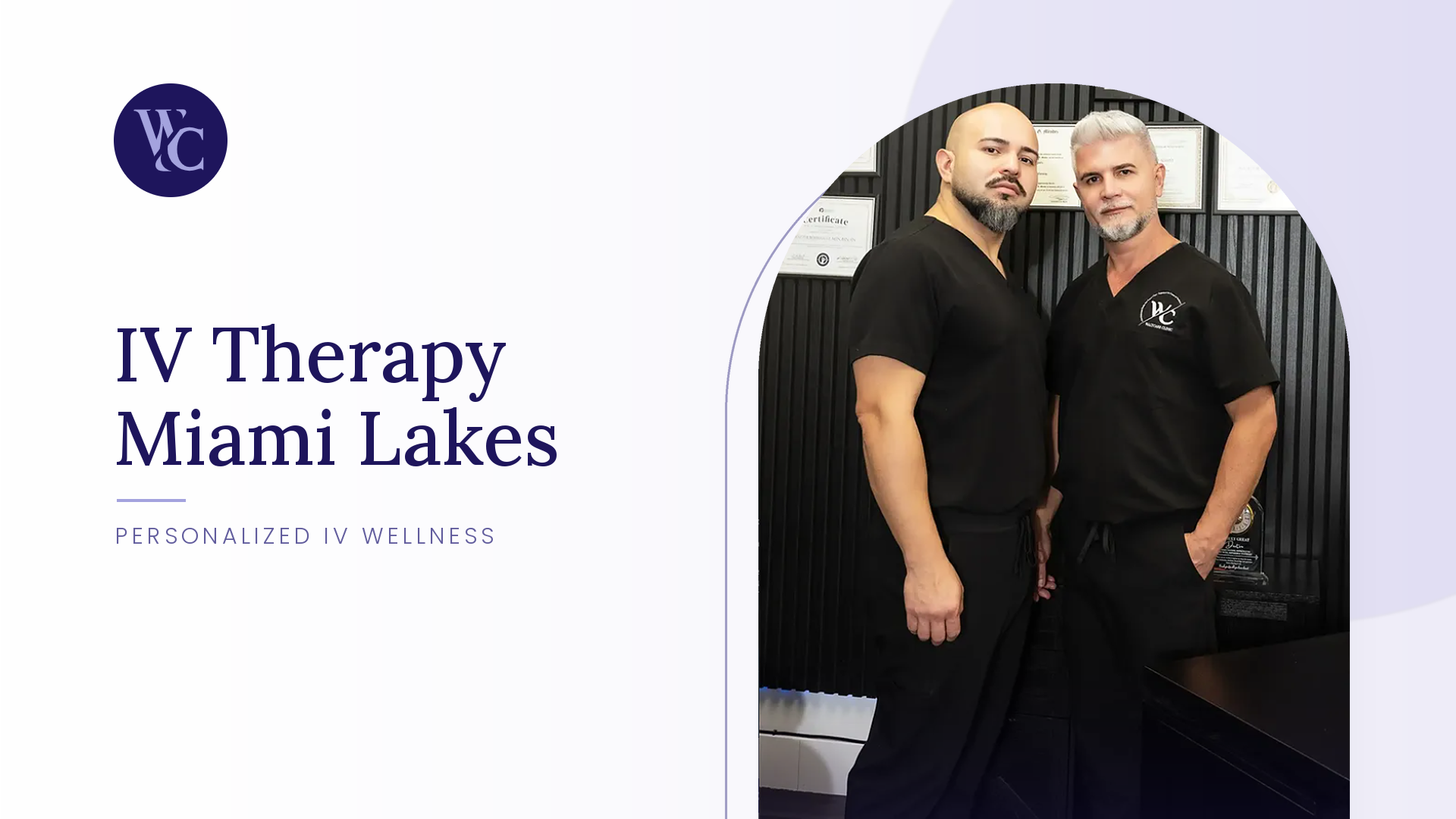
IV therapy has moved far beyond the hospital environment where most people first became familiar with intravenous treatment. Today, patients also encounter IV therapy in wellness and aesthetic medicine, where intravenous fluids and selected ingredients may be used as part of individualized approaches to hydration, nutrient support, recovery, and overall wellness. This increased visibility has made IV treatments easier to discover, but it has also created a common misconception: that choosing an IV is simply a matter of finding the drip whose name sounds closest to the result someone wants.
For patients researching IV therapy Miami Lakes, the more important question is not which IV contains the longest list of ingredients. It is whether intravenous treatment makes sense for the patient’s individual circumstances and, if it does, what type of formulation aligns with the reason they are seeking care. At WaltCare Clinic, patients can explore IV Therapy as part of a broader collection of personalized wellness services. That context matters because a person interested in hydration, someone concerned about energy and recovery, and someone exploring cellular wellness may arrive with very different goals even though all three initially ask about IV treatment.
Intravenous administration delivers fluids or other selected substances directly into the bloodstream, bypassing gastrointestinal absorption. This route has established roles throughout conventional medicine, but the clinical value of any IV depends on what is being administered, why it is being administered, the patient’s health status, and whether intravenous delivery is appropriate for that particular goal. Personalized IV care therefore begins with understanding the patient rather than assuming the same formulation is suitable for everyone.
What IV Therapy Actually Does
Intravenous therapy describes a route of administration rather than a single treatment. A catheter is placed into a vein, allowing fluids, medications, nutrients, or other appropriate substances to enter the circulation directly. In hospitals and other clinical settings, IV administration is routinely used for fluid replacement, medication delivery, electrolyte management, nutritional support in specific circumstances, and numerous other established medical purposes.
Wellness IV therapy uses the same general route of administration but can have different objectives and formulations. Depending on the treatment, an infusion may involve fluids and selected vitamins, minerals, antioxidants, or other ingredients. Because those ingredients enter the bloodstream directly, patients sometimes assume that intravenous delivery automatically makes every substance more effective than obtaining it through food, oral supplementation, or ordinary hydration. The reality is more nuanced. Bypassing the gastrointestinal system changes how a substance enters the body, but it does not automatically prove that an otherwise healthy person will experience a meaningful clinical benefit from receiving it intravenously.
A scientific review available through PubMed Central examining intravenous vitamin therapy highlights this distinction. Intravenous nutrients have established value in specific medical circumstances, including situations involving documented deficiencies, malabsorption, or other clinical indications. Evidence supporting broad claims for elective wellness infusions in otherwise healthy individuals is considerably more limited and varies according to the formulation and outcome being studied.
This distinction is useful for WaltCare patients because it creates more realistic expectations. IV therapy can be explored as a wellness service without presenting every infusion as medically necessary or assuming that every patient will experience the same result.
Why WaltCare’s Personalized Approach Matters for IV Therapy
People seek wellness treatment for different reasons, and those reasons should influence the conversation before an IV is selected. Someone may arrive at WaltCare after feeling depleted following travel, another person may be interested in hydration, while another may be exploring ways to support their broader wellness routine. Some patients may already be receiving other aesthetic or wellness treatments and want to understand whether IV therapy fits alongside them.
These situations should not automatically lead to the same infusion. Health history, medications, supplements, allergies, previous treatment experiences, hydration status, and individual goals can all affect what is appropriate. Even something as apparently straightforward as fluid administration deserves context because the body’s ability to manage fluids and electrolytes can be affected by kidney function, cardiovascular conditions, medications, and other health factors.
Personalization also means recognizing when a different WaltCare service may be more closely aligned with the patient’s primary objective. Someone whose main concern is metabolic health or losing weight, for example, may need a structured Medical Weight Loss program rather than expecting an IV infusion to produce substantial or sustainable weight reduction. Someone whose interest centers specifically on NAD+ and cellular wellness may benefit from discussing WaltCare’s dedicated NAD+ Therapy rather than assuming that every wellness IV serves the same purpose.
The advantage of this broader approach is that treatment can follow the goal. Instead of asking every patient which drip they want, the more useful conversation begins with what they are trying to address and whether IV therapy is a reasonable part of that plan.
IV Hydration and Everyday Hydration Are Not the Same Question
Hydration is one of the most common reasons patients become interested in IV therapy. Intravenous fluids enter the circulation directly, which can be clinically important when a person cannot adequately replace fluids orally or when a medical situation requires controlled fluid administration. In conventional healthcare, IV fluid therapy has an established role in treating appropriate cases of dehydration and fluid loss.
However, most healthy people meet their routine hydration requirements by drinking fluids and obtaining water through food. The digestive system is designed to absorb water effectively, and a person who can drink and retain adequate fluids does not automatically need an IV simply because intravenous administration provides direct access to the circulation.
This does not mean patients cannot discuss IV hydration as part of a wellness plan. It means the reason for seeking hydration should be considered. Someone who feels persistently dehydrated despite adequate fluid intake may need to understand why. Excessive thirst, repeated dehydration, persistent dizziness, or ongoing fatigue can have causes that deserve medical attention rather than being repeatedly addressed through hydration alone.
Fluid volume itself also matters. The kidneys and cardiovascular system participate in maintaining fluid balance, and certain medical conditions can affect how much fluid a person can safely tolerate. This is one reason professional oversight matters even when the treatment appears straightforward. Personalized IV therapy in Miami Lakes should take the individual’s health circumstances into account instead of treating fluid administration as universally harmless.
Vitamins in an IV Do Not Follow a “More Is Better” Rule
Wellness IV formulations can contain combinations of vitamins, minerals, and other ingredients, which sometimes creates the impression that a larger number of components must produce a more comprehensive treatment. Human physiology does not work according to that logic. Nutrients are essential within appropriate ranges, but the body does not necessarily benefit from receiving the largest possible amount of each one.
A deficiency can create genuine health problems, and intravenous treatment can be medically useful in certain cases where deficiency is documented or oral absorption is inadequate. On the other hand, receiving high doses of nutrients without a specific indication does not guarantee greater energy, stronger immunity, improved metabolism, or better overall health.
The safety profile also depends on the substance. Although many water-soluble vitamins can be excreted when intake exceeds immediate requirements, excessive doses are not automatically harmless. Other nutrients may accumulate, interact with medications, or create complications when administered inappropriately. Kidney function and other aspects of health can influence how the body handles particular substances.
For WaltCare patients, the practical takeaway is that the contents of an IV should have a rationale. Patients should know what is being administered and why those ingredients are being considered. The goal of personalized care is not to create the most elaborate infusion possible but to select an appropriate approach based on the patient’s wellness goals and individual circumstances.
Fatigue Requires More Than Automatically Choosing an Energy IV
Fatigue is one of the most common symptoms associated with wellness treatments because almost everyone experiences periods of reduced energy. When fatigue becomes persistent, however, the number of possible explanations is extensive. Poor sleep, dehydration, nutritional deficiencies, anemia, thyroid disorders, hormonal changes, stress, medications, metabolic conditions, infections, mood disorders, inadequate calorie intake, and many other factors can influence energy.
An IV may provide fluids or selected nutrients, but those ingredients cannot automatically correct every possible cause of fatigue. If someone is deficient in a particular nutrient, addressing that deficiency may be relevant. If the problem is chronic sleep deprivation, the solution is fundamentally different. If hormonal or metabolic changes are involved, another type of evaluation may be more useful.
This is where WaltCare’s broader wellness model becomes particularly relevant. The clinic offers IV Therapy alongside hormone-related services, medical weight management, NAD+ therapy, and other personalized treatments. That range allows the patient’s complaint to be considered within a larger context instead of assuming that every person who feels tired needs the same IV.
Patients should also pay attention to the pattern of fatigue. Feeling temporarily depleted after an unusually demanding period is different from unexplained exhaustion that persists for weeks or months. Persistent symptoms deserve appropriate evaluation, particularly when accompanied by other changes in health.
IV Therapy and NAD+ Therapy Have Different Purposes
NAD+ frequently appears alongside IV therapy in wellness conversations, but the two terms should not be treated as synonyms. IV therapy refers to how a substance is administered, whereas NAD+ is a specific coenzyme involved in cellular metabolism and other biological processes.
WaltCare Clinic provides dedicated NAD+ Therapy for patients interested in exploring this area of cellular wellness. That treatment deserves its own conversation because the scientific rationale, evidence, expectations, and administration considerations surrounding NAD+ differ from those of a standard hydration or nutrient infusion.
A patient interested primarily in hydration does not automatically need NAD+. Likewise, a patient specifically interested in NAD+ biology should not assume that an ordinary vitamin infusion produces the same physiological effect. Keeping these treatments conceptually separate helps patients understand what they are receiving and why.
The evidence surrounding NAD+ also illustrates why wellness treatments need realistic expectations. NAD+ is unquestionably important to cellular biology, but clinical research into many proposed anti-aging and wellness outcomes remains developing. WaltCare patients considering NAD+ can therefore discuss it as its own treatment rather than viewing it as simply another ingredient that should be added to every IV.
Safety Begins Before the IV Is Inserted
The visible part of IV therapy begins when the catheter is placed, but safe treatment begins before that moment. Health history, allergies, medications, supplements, previous reactions, and relevant medical conditions can influence treatment decisions.
Patients should disclose prescription medications as well as over-the-counter products and supplements. Wellness treatments are sometimes discussed as though they exist separately from conventional medicine, but the body does not make that distinction. A substance delivered intravenously can still interact with the patient’s health status and other treatments.
Kidney and cardiovascular health can be especially relevant when fluids and electrolytes are being administered. Pregnancy, active illness, previous infusion reactions, and other circumstances may also influence whether treatment is appropriate. The specific screening required depends on the treatment and patient.
At WaltCare, the value of a personalized approach is that these considerations can occur within a medical wellness setting rather than treating IV therapy as a retail product. The objective is not simply to complete an infusion. It is to determine whether the planned treatment makes sense for the person receiving it.
Sterility and Product Quality Are Essential in IV Therapy
Intravenous treatment bypasses several of the body’s natural protective barriers. When a substance enters directly into the bloodstream, sterility and preparation become particularly important. Products intended for intravenous use must be appropriate for sterile administration, and handling practices need to minimize contamination.
The U.S. Food and Drug Administration’s information on drug compounding explains why compounded sterile medications require particular attention to quality and contamination risk. The FDA has repeatedly issued warnings and recalls when injectable products were prepared under conditions that created concerns about sterility, potency, or inappropriate ingredients. These regulatory concerns are relevant to wellness medicine because the popularity of injectable and intravenous treatments does not change the safety requirements associated with putting a substance directly into the body.
For patients, asking where products come from and how they are prepared is reasonable. A professional medical environment should not make patients feel uncomfortable for wanting to understand what is being administered. The formulation, dose, preparation, expiration, and handling all contribute to treatment safety.
Sterility also extends to IV placement. Proper skin preparation, hand hygiene, appropriate equipment, catheter technique, and monitoring during treatment reduce avoidable risks. These details may not be the most exciting part of IV therapy marketing, but they are among the most important aspects of receiving intravenous care responsibly.
What Can Happen at the IV Site?
Because IV therapy requires venous access, local reactions can occur even when the treatment is performed appropriately. Bruising, tenderness, mild discomfort, infiltration, and irritation of the vein are possible. Phlebitis, which involves inflammation of the vein, can also occur, and infection represents another potential complication whenever the skin barrier is penetrated.
Patients should communicate if they experience burning, significant pain, unusual swelling, or other concerning sensations during an infusion. Monitoring allows the provider to assess whether the catheter remains appropriately positioned and whether the patient is tolerating treatment.
After the IV is removed, mild tenderness or bruising can sometimes persist temporarily. Patients should follow any aftercare instructions provided by the clinic and report symptoms that appear unusual, severe, or progressive.
These considerations do not mean IV therapy is inherently dangerous. They demonstrate why it should be treated as a medical procedure rather than something completely risk-free simply because the treatment is elective.
Why WaltCare Patients Should Think About Their Overall Wellness Goals
A person may initially discover WaltCare while searching specifically for IV therapy Miami Lakes, but the consultation can be more valuable when the patient thinks about what they actually want to improve. “I want an IV” describes a treatment preference. “I have been struggling with hydration during frequent travel,” “my energy has changed,” or “I am interested in improving my overall wellness routine” provides more useful context.
This difference helps the provider determine whether IV therapy aligns with the goal or whether another WaltCare service deserves discussion. For example, patients primarily concerned about weight and metabolic health can explore Medical Weight Loss at WaltCare Clinic, while those specifically interested in NAD+ and cellular wellness can discuss NAD+ Therapy. The clinic’s broader range of services makes it possible to match treatment categories more closely to the concern being addressed.
This approach can also prevent unnecessary treatment. Personalized medicine does not mean finding a procedure for every patient who walks through the door. Sometimes personalization means determining that a particular treatment is not the most useful option for the patient’s current goal.
IV Therapy Should Complement, Not Replace, Healthy Habits
One of the most important expectations to establish around wellness IV therapy is that an infusion cannot replace the foundations of long-term health. Adequate sleep, regular hydration, balanced nutrition, appropriate physical activity, preventive medical care, stress management, and treatment of underlying health conditions continue to matter regardless of which wellness therapies a patient receives.
An IV cannot compensate indefinitely for consistently sleeping four hours per night. It cannot replace adequate dietary intake. It cannot make chronic dehydration irrelevant if someone routinely consumes too little fluid. It cannot substitute for medical evaluation when persistent symptoms indicate that something else may be happening.
This does not make IV therapy meaningless. It places it in the appropriate role. A wellness treatment can be one component of a broader plan without being expected to do everything.
At WaltCare Clinic, patients have access to several complementary wellness services, making it possible to discuss IV therapy within that broader picture. A patient may ultimately choose IV treatment while simultaneously working on hydration habits, nutrition, sleep, weight management, or another aspect of wellness. That combination is more consistent with personalized care than treating an infusion as a shortcut around the fundamentals.
IV Therapy Is Not a Weight-Loss Treatment
The relationship between wellness treatments and metabolism can sometimes create confusing marketing messages. Vitamins and hydration participate in normal physiological function, but that does not make an IV infusion a substitute for evidence-based weight management.
Patients whose primary objective is losing weight should discuss that goal directly. WaltCare’s Medical Weight Loss program is designed around weight-management needs and allows patients to explore medically supervised strategies specifically intended for that objective.
Separating these services is important because it prevents unrealistic expectations. Someone can receive an IV and still need a structured nutrition, activity, behavioral, or medical strategy for weight management. Conversely, a patient participating in medical weight management may have separate reasons for exploring IV therapy, but the two treatments should not be presented as interchangeable.
This is another example of how WaltCare’s range of services can support more individualized treatment planning. Each service can be used according to its intended purpose instead of stretching one treatment to cover every wellness goal.
Choosing IV Therapy Before or After Travel
Miami’s location and travel patterns make hydration and wellness around travel a common topic for patients. Long flights, schedule disruption, changes in sleep, alcohol consumption, heat exposure, and inconsistent fluid intake can leave people feeling depleted. It is understandable that some patients may consider IV hydration before or after traveling.
However, travel-related fatigue is also multifactorial. Jet lag, sleep disruption, prolonged sitting, dietary changes, stress, and altered routines can all influence how someone feels after a trip. An IV cannot correct circadian disruption or replace restorative sleep.
Patients considering IV therapy around travel should also mention upcoming travel plans, particularly when they have medical conditions or symptoms that could require further assessment. Significant swelling, chest pain, difficulty breathing, or other concerning symptoms after prolonged travel are not routine wellness issues and should receive appropriate medical attention rather than being treated as simple dehydration.
For otherwise appropriate patients interested in wellness support around demanding schedules or travel, discussing the timing and objective of IV therapy with WaltCare can help establish realistic expectations about what the treatment can and cannot address.
What Questions Should You Ask Before an IV at WaltCare?
A patient should understand what is being administered before an IV begins. Asking about the ingredients, their purpose, the expected treatment experience, and possible adverse effects is part of informed care. Patients can also ask why a particular formulation is being recommended for their goals and whether another approach would be more appropriate.
Health history should be discussed openly. Patients should mention medications, supplements, allergies, chronic medical conditions, pregnancy when relevant, previous IV experiences, and any history of unusual reactions. If a patient has kidney, cardiovascular, or other significant health concerns, that information can be particularly important when considering fluid or electrolyte administration.
Patients can also ask how often treatment may reasonably be considered. More frequent treatment is not automatically better, and the appropriate schedule depends on the reason the therapy is being used. If someone feels that they continually need IV treatment to maintain ordinary energy or hydration, the pattern may warrant additional evaluation rather than simply increasing treatment frequency.
Finally, ask what results are realistic. A trustworthy wellness conversation should be able to distinguish between established effects, plausible but still developing applications, and claims that are not well supported by evidence.
Why Medical Oversight Matters in the Growing IV Wellness Industry
The popularity of IV wellness services has created a wide range of treatment environments, and not all operate with the same level of medical evaluation or oversight. This makes it particularly important for patients to consider not only what is being offered but also how care is delivered.
A study indexed in PubMed examining IV hydration spas in the United States identified considerable variation in oversight and practices among facilities. The findings reinforce an important principle: the fact that an IV is marketed for wellness does not eliminate the clinical considerations associated with intravenous treatment.
For WaltCare patients, receiving IV therapy within a clinic that provides broader medical wellness and aesthetic services offers a context in which the treatment can be discussed alongside health history and other goals. Patients can explore whether IV therapy fits their circumstances instead of simply selecting a drip from a menu without understanding why it is being used.
Medical oversight also matters if something unexpected occurs. Recognizing an adverse reaction, determining whether an infusion should be stopped, and providing appropriate follow-up require more than simply knowing how to place an IV catheter.
Creating a Personalized Wellness Plan at WaltCare Clinic
The most useful way to think about IV therapy is not as a standalone shortcut to wellness but as one possible component of a larger individualized strategy. A patient interested in hydration may have different needs from someone exploring NAD+, while another patient may be primarily concerned with metabolic health, hormone balance, or aesthetic rejuvenation.
WaltCare Clinic’s range of services allows these goals to be separated and addressed more deliberately. Patients can explore IV Therapy in Miami Lakes while also learning about NAD+ Therapy, Medical Weight Loss, hormone services, and other options when those treatments better correspond to their needs.
This creates a more useful question than simply asking which IV is best. The question becomes: what am I trying to improve, what factors are contributing to that concern, and which WaltCare service is most appropriate for addressing it?
For some patients, IV therapy may fit naturally within their wellness plan. For others, another treatment or further evaluation may make more sense. Both outcomes represent personalized care because the decision is based on the patient rather than on the popularity of the procedure.
A More Informed Approach to IV Therapy Miami Lakes
IV therapy is an established method of delivering fluids and selected substances directly into the circulation, and it has indispensable roles throughout conventional medicine. Its expansion into wellness care has created additional treatment options for patients, but it has also made realistic expectations and appropriate medical oversight increasingly important.
For people researching IV therapy Miami Lakes, WaltCare Clinic provides access to IV wellness services within a broader personalized care environment. Rather than assuming that every patient needs the same formulation, the conversation can begin with health history, individual goals, other treatments, and the specific reason the patient is considering an IV.
The strongest wellness plan is not necessarily the one containing the largest number of treatments. It is the one in which each treatment has a clear purpose. Hydration, nutritional support, NAD+ therapy, medical weight management, and other wellness services address different needs and should be selected accordingly.
Patients interested in learning whether IV therapy fits their wellness goals can schedule a consultation with WaltCare Clinic in Miami Lakes. The goal is to understand what the patient wants to achieve, determine whether intravenous treatment is appropriate, and select an approach that fits within their broader health and wellness plan.
WaltCare Clinic
6625 Miami Lakes Dr, Suite 381
Miami Lakes, FL 33014
Phone: (786) 673-0473
Explore IV Therapy at WaltCare Clinic
Medical Disclaimer
This content is for educational purposes only and does not replace personalized medical advice. IV therapy may not be appropriate for everyone. Consult a qualified healthcare professional before receiving treatment.