Choosing an aesthetic procedure involves more than comparing before-and-after photographs or researching the latest technologies. A successful consultation begins with understanding your individual needs, discussing realistic expectations, and providing your healthcare professional with an accurate history of previous treatments. This information becomes particularly important when considering energy-based aesthetic procedures, where skin characteristics, treatment history, and medical considerations may influence the recommended approach.
If you are researching endolaser treatment miami options, preparing for your consultation can help you make informed decisions about your aesthetic goals. Previous laser sessions, facial procedures, cosmetic surgery, and even certain skincare products may be relevant to your provider’s evaluation. Sharing these details allows the treating professional to assess your concerns, identify potential limitations, and determine whether an Endolaser procedure is appropriate for your individual circumstances.
At WaltCare Clinic, located in Miami Lakes, Florida, patients can explore aesthetic treatment options through personalized consultations. Whether you are interested in addressing facial skin laxity, discussing changes in skin texture, or learning about minimally invasive aesthetic technologies, arriving prepared can make your appointment more productive and help establish realistic treatment expectations.
Why Your Previous Aesthetic Treatments Matter Before Endolaser
Your aesthetic treatment history provides important context for evaluating the condition of your skin and the underlying tissues. Procedures performed months or years earlier may have influenced tissue characteristics, created scar tissue, or changed how certain areas respond to subsequent treatments. Although a previous cosmetic procedure does not automatically prevent someone from receiving Endolaser, your provider should understand what was performed, where it was performed, and whether complications occurred.
Endolaser is commonly used as a term for laser-based aesthetic procedures intended to address concerns such as localized tissue changes and skin laxity. Specific techniques, equipment, and treatment protocols vary, and not every procedure described as Endolaser is identical. Depending on the technology and technique involved, treatment may require specialized precautions and an individualized assessment of the area being considered.
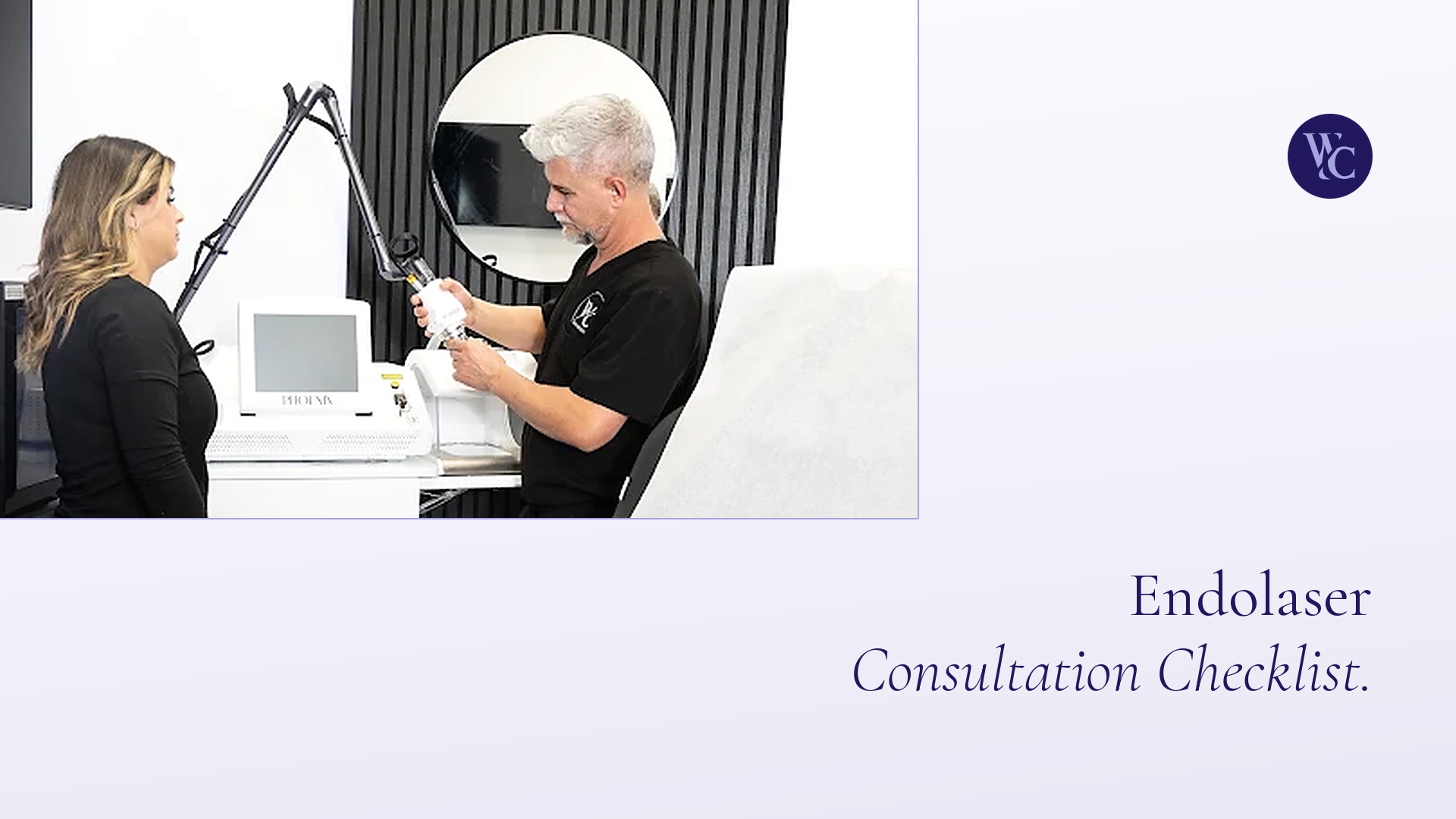
During your consultation, your provider may evaluate the condition of your skin, discuss previous procedures, and review factors that could affect treatment suitability. This process is particularly important if you have undergone cosmetic surgery, received energy-based treatments, or experienced unusual reactions following earlier aesthetic procedures. Accurate information supports safer planning and helps your provider determine whether additional evaluation is necessary.
What Information Should You Bring to Your Endolaser Consultation?
Preparing for an Endolaser consultation does not require complicated paperwork, but organizing your medical and aesthetic history can make the appointment more efficient. Patients sometimes forget the names of previous procedures, the dates they were performed, or the products used during treatment. Gathering these details in advance allows your provider to evaluate your history more accurately and reduces the likelihood of overlooking information that may be relevant to your care.
A useful starting point is creating a chronological record of your previous aesthetic procedures. Include the approximate treatment date, the area treated, the type of technology or procedure used, and any reactions you experienced afterward. If you have access to treatment summaries, discharge instructions, or other clinical records, bringing copies may help clarify the details. Your provider can then determine which information is relevant to the proposed Endolaser procedure.
Previous Laser and Energy-Based Treatments
Laser resurfacing, radiofrequency procedures, ultrasound-based treatments, and other energy-based technologies may affect skin or underlying tissue in different ways. If you have received any of these treatments, explain which areas were treated and how your skin responded. It is especially important to mention prolonged redness, changes in pigmentation, burns, scarring, or other complications that required additional medical attention.
The amount of time that has passed since a previous procedure may also influence treatment planning. Some procedures involve recovery processes that continue after visible symptoms have improved, while others may require specific intervals before additional treatments are considered. Rather than assuming that enough time has passed, provide your treatment history and allow your healthcare professional to evaluate whether another procedure is appropriate.
Previous Cosmetic Surgery
Surgical procedures may change the anatomy and tissue characteristics of the treated area. If you have undergone a facelift, neck lift, liposuction, or another cosmetic operation, inform your provider even if the surgery occurred several years ago. Scar tissue, altered tissue planes, and other postoperative changes may influence the evaluation of future aesthetic procedures.
If available, bring information about the surgical technique, approximate date, and any complications experienced during recovery. Your provider may recommend obtaining additional records or consulting with your previous surgeon when necessary. The purpose is not to assume that earlier surgery makes Endolaser unsuitable, but to ensure that treatment decisions account for your individual history.
Previous Facial or Body Aesthetic Procedures
Professional aesthetic treatments that do not involve surgery may still be relevant during an Endolaser consultation. Examples include microneedling, chemical peels, thread-based procedures, and other treatments designed to address skin texture or appearance. These procedures differ considerably in depth, technique, and recovery requirements, making it important to describe them accurately.
If you are unsure of the exact name of a previous treatment, photographs of the equipment, treatment documentation, or information from the original provider may be helpful. Your current provider can use this information to understand the type of procedure performed and determine whether it affects your treatment plan. Avoid relying exclusively on general descriptions such as “laser facial” or “skin tightening,” because these terms may refer to very different technologies.
How Previous Endolift or Endolaser Sessions May Affect Your Consultation
Patients who have previously undergone Endolift or another laser-assisted aesthetic procedure may seek additional treatment because their appearance has changed over time or because they want to discuss remaining concerns. However, receiving the same type of procedure again does not automatically mean that another session is appropriate. The decision should be based on a new evaluation of the treated area, the previous technique, the response to treatment, and the patient’s current goals.
If you previously received Endolift or Endolaser, try to obtain documentation identifying the device, treatment area, approximate date, and any complications. Photographs taken before and after the procedure may also help your provider understand how your appearance changed. Keep in mind that photographs can be affected by lighting, camera angles, facial expression, and other factors, so they should be interpreted alongside a professional examination.
Your provider may also ask whether you experienced prolonged swelling, tenderness, changes in sensation, or unexpected changes in the treated area. These details are important because visible recovery does not necessarily provide a complete picture of the underlying tissues. A qualified professional should determine whether additional treatment is suitable or whether another approach would better address your concerns.
Medical History and Medications: What Your Provider Needs to Know
An Endolaser consultation should include a review of relevant medical history, not only previous cosmetic procedures. Certain health conditions, medications, and individual risk factors may influence whether a procedure is appropriate or whether additional precautions are required. Providing complete and accurate information allows your healthcare professional to evaluate potential concerns before recommending treatment.
Tell your provider about chronic medical conditions, previous problems with wound healing, a history of abnormal scarring, active infections, and any other issues that may affect your skin or recovery. You should also mention allergies, particularly those involving medications, antiseptics, adhesives, or materials that could be used during a procedure. Your provider can determine which conditions require further evaluation.
Prescription Medications and Supplements
Bring an updated list of medications and supplements, including their names and dosages when available. Depending on the proposed procedure, certain medications may affect bleeding, healing, skin sensitivity, or other aspects of treatment. This information is relevant even when the medication is prescribed for a condition unrelated to your aesthetic concerns.
Do not stop taking prescribed medications or supplements without discussing the decision with the appropriate healthcare professional. If a medication adjustment is necessary, your treating provider should coordinate recommendations with the clinician responsible for your ongoing care. The goal is to support informed treatment planning without creating additional health risks.
Skin Conditions and Previous Reactions
Existing skin conditions may influence the selection and timing of aesthetic procedures. If you have a history of dermatitis, pigmentation changes, abnormal scarring, or other skin concerns, explain how these conditions have affected you and whether they are currently active. Your provider may need to evaluate the treatment area carefully or recommend addressing an existing condition before proceeding.
Previous reactions to aesthetic treatments are equally important. If you experienced burns, persistent swelling, infection, unexpected pigmentation, or delayed healing, describe the symptoms and how they were managed. This information can help your provider identify potential risks and determine whether additional precautions or an alternative treatment approach may be appropriate.
How to Explain Your Aesthetic Goals During the Consultation
One of the most valuable parts of an Endolaser consultation is communicating what you would like to improve and why you are considering treatment. Patients may use broad descriptions such as wanting a more defined jawline, firmer-looking skin, or improvement in the appearance of a particular area. While these concerns provide a useful starting point, a professional evaluation is necessary to determine what is contributing to the appearance and whether the proposed procedure can address it.
For example, changes in facial contour may involve skin laxity, underlying fat distribution, facial anatomy, or a combination of factors. Different concerns may require different treatment approaches, and Endolaser may not be appropriate for every patient. Understanding the cause of the concern helps establish realistic expectations and reduces the likelihood of selecting a procedure based solely on promotional images or generalized claims.
Bring photographs that illustrate your goals if they help you explain your concerns, but avoid treating another person’s results as a guarantee of what you can achieve. Individual anatomy, skin characteristics, treatment technique, and healing response can all influence outcomes. Your consultation should focus on what may reasonably be appropriate for you rather than reproducing someone else’s appearance.
Questions to Ask Before Choosing Endolaser Treatment in Miami
Patients researching aesthetic treatments often focus on pricing, appointment availability, and the appearance of published results. While these factors may influence the decision-making process, understanding the procedure itself is equally important. A comprehensive consultation should provide enough information for you to evaluate the proposed treatment, its limitations, and the qualifications of the professional performing it.
Consider discussing the following questions during your appointment:
- What specific concern is the proposed Endolaser procedure intended to address?
- Which device and technique will be used, and how does the procedure work?
- How does my previous aesthetic treatment history affect my eligibility?
- What results are realistic for my skin condition and anatomy?
- What risks, side effects, and complications should I understand?
- What type of anesthesia or pain management, if any, is involved?
- What recovery restrictions should I expect?
- When should I contact the clinic if I experience unexpected symptoms?
- Are there alternative procedures that may be more appropriate?
- What is included in the treatment quote and follow-up care?
These questions can help you compare treatment recommendations without assuming that every provider uses the same equipment or follows identical protocols. The answers should be specific to the proposed procedure and your individual circumstances, rather than relying on generalized descriptions of minimally invasive aesthetic treatments.
Understanding the Difference Between Consultation and Treatment
A consultation is an opportunity to evaluate treatment suitability, not a guarantee that a procedure will be performed. In some cases, your provider may recommend additional assessment, request previous medical records, or advise waiting before scheduling treatment. These recommendations may be appropriate when your history includes recent aesthetic procedures, unresolved symptoms, or medical considerations that require clarification.
The consultation should also address informed consent. Before undergoing an aesthetic procedure, patients should understand its purpose, expected benefits, possible complications, alternatives, and limitations. The American Society of Plastic Surgeons provides patient-safety resources emphasizing the importance of informed decisions and qualified professionals when considering cosmetic procedures.
If you feel uncertain about a recommendation, ask for clarification before making a decision. A responsible treatment plan should allow you to understand why a particular procedure is being proposed and how it relates to your individual goals. Taking time to review the information can be especially valuable when comparing several aesthetic technologies or considering additional treatment after a previous procedure.
How to Prepare for Your Appointment at WaltCare Clinic
Preparing for your consultation at WaltCare Clinic begins with gathering relevant information and identifying the questions you would like answered. You do not need to know every technical detail about Endolaser before your appointment, but having an organized record of your previous treatments, current medications, and aesthetic goals can support a more productive discussion. If you have received care from another provider, consider requesting treatment documentation in advance.
It may also be helpful to write down the specific changes you have noticed in your appearance and how long they have been present. Some patients are primarily concerned about gradual changes associated with aging, while others want to discuss the results of previous cosmetic procedures. Explaining your concerns clearly allows your provider to evaluate the treatment area and discuss whether the available options are appropriate.
If you are comparing different technologies, ask your provider to explain how the proposed Endolaser approach differs from other procedures you have researched. Understanding the intended treatment depth, recovery considerations, and limitations can help you make a more informed decision. You can also explore the clinic’s website for general information about its aesthetic services before scheduling your appointment.
Why Personalized Treatment Planning Matters
No two patients have identical skin characteristics, medical histories, or aesthetic goals. Even when individuals express similar concerns, differences in anatomy, previous procedures, and treatment response may influence the recommendations they receive. Personalized planning helps ensure that treatment decisions are based on a professional evaluation rather than a standardized approach applied to every patient.
For patients considering Endolaser after previous aesthetic procedures, individualized assessment becomes especially important. Your provider may need to account for tissue changes, existing scars, previous complications, and the time elapsed since earlier treatments. These factors can affect whether the proposed procedure is appropriate and whether additional evaluation is necessary.
The American Academy of Dermatology also provides educational resources about cosmetic treatments and the importance of understanding available options. Reviewing reliable information before your consultation can help you formulate questions and better understand why treatment recommendations may differ from one patient to another.
Frequently Asked Questions About Endolaser Consultations
Do I need to bring records from previous aesthetic treatments?
Bringing previous treatment records can be helpful, particularly if you have undergone laser procedures, cosmetic surgery, or other treatments affecting the same area. Documentation may include procedure dates, device information, treatment summaries, and details about complications or recovery. Although every record may not be necessary, providing accurate information allows your provider to evaluate your history more thoroughly and determine whether additional documentation is required.
Can I receive Endolaser if I previously had another laser treatment?
Previous laser treatment does not automatically determine whether Endolaser is suitable. Eligibility depends on the type of procedure performed, the treatment area, the time elapsed, your skin’s response, and other individual factors. Your provider should review your history and examine the area before recommending another procedure, especially if you experienced complications or have unresolved symptoms.
What if I do not remember the name of my previous procedure?
If you cannot remember the exact name of a treatment, try contacting the original clinic for documentation. Photographs, receipts, appointment confirmations, or discharge instructions may also provide useful information. Describe the treatment as accurately as possible during your consultation, but avoid guessing about the technology used because different aesthetic procedures can involve substantially different techniques.
Should I stop using skincare products before my consultation?
You should not automatically discontinue your skincare products or prescribed medications before a consultation. Instead, bring a list of the products you use and discuss any concerns with your provider. Certain ingredients may be relevant to treatment planning, but recommendations should be individualized according to the proposed procedure and your skin condition.
How do I know whether Endolaser is right for me?
Determining whether Endolaser is appropriate requires a professional evaluation of your concerns, anatomy, treatment history, and relevant medical factors. Your provider should explain what the procedure may realistically address, identify potential risks, and discuss alternatives when appropriate. A consultation can help you understand whether the proposed approach aligns with your goals without guaranteeing a particular outcome.
Schedule Your Endolaser Consultation at WaltCare Clinic
Preparing for an aesthetic consultation is an important step toward making informed treatment decisions. By organizing your previous treatment history, reviewing your medications, and identifying your aesthetic goals, you can help your provider develop a clearer understanding of your needs. This preparation is especially valuable when considering a laser-based procedure after receiving other cosmetic treatments, because previous interventions may influence the recommended approach.
At WaltCare Clinic in Miami Lakes, Florida, patients can discuss their aesthetic concerns and explore available treatment options through a personalized evaluation. If you are researching endolaser treatment miami services, your consultation is an opportunity to ask questions, review your history, and determine whether the proposed procedure is appropriate for your individual circumstances.
Contact WaltCare Clinic to schedule your consultation and take the next step toward understanding your aesthetic treatment options with professional guidance.