
Facial aging rarely happens in only one layer of the face. Over time, skin elasticity can change, facial fat can redistribute, deeper supporting tissues may descend, bone structure evolves, and areas that once appeared sharply defined can gradually become softer. These changes can be particularly noticeable through the cheeks, lower face, jawline, and around the mouth. For patients who are beginning to see these changes but are not ready for facial surgery, minimally invasive procedures such as thread lifting often become part of the conversation.
For someone researching threadlift Miami Beach, however, deciding whether to have a thread lift should involve more than looking at dramatic before-and-after images online. Thread lifting works by placing specially designed sutures beneath the skin to reposition selected soft tissues. The procedure can create visible lifting in appropriately selected patients, but it does not reproduce everything accomplished through a surgical facelift, and it cannot correct every type or degree of facial aging.
At WaltCare Clinic, facial rejuvenation is approached according to the patient’s anatomy and goals rather than assuming that one procedure is appropriate for everyone. A patient concerned about early jowling may need a different strategy from someone whose main concern is facial volume loss, while another person may have significant skin laxity that exceeds what a minimally invasive treatment can realistically address. Understanding these differences before treatment helps establish realistic expectations and allows a thread lift to be used where its mechanism actually makes sense.
This is particularly important because the scientific literature on thread lifting presents a nuanced picture. Recent systematic reviews suggest that absorbable thread lifts can produce immediate aesthetic improvement in appropriately selected patients and that most reported complications are mild, but robust evidence about long-term effectiveness remains limited. The goal should therefore not be to market a thread lift as a “facelift without surgery.” It should be to determine whether modest tissue repositioning can meaningfully address the specific changes a patient wants to improve.
What Is a Thread Lift and How Does It Work?
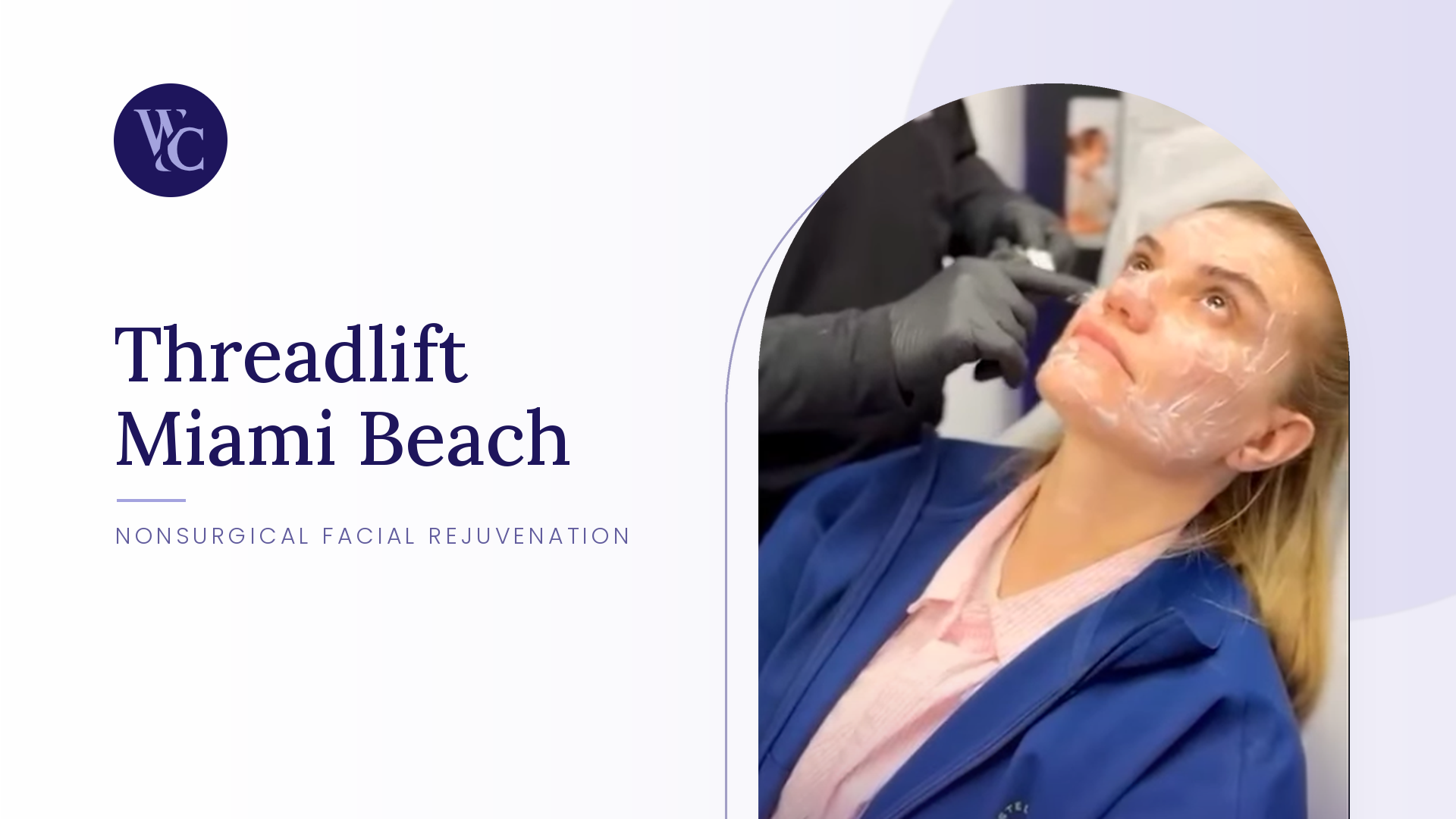
A thread lift is a minimally invasive aesthetic procedure in which specially designed sutures are placed beneath the skin along planned vectors. Depending on the type of thread being used, small barbs, cones, cogs, or other structural features can engage the surrounding tissue and allow it to be repositioned.
Modern aesthetic thread lifts frequently use absorbable materials such as polydioxanone, commonly known as PDO, as well as other absorbable polymers. These materials gradually degrade within the body rather than remaining permanently in the tissue.
The immediate aesthetic effect comes primarily from mechanical repositioning. When appropriately placed threads engage the soft tissue, the provider can create a controlled lifting effect along the selected vector. This can be particularly relevant for early changes involving the cheek, lower face, jawline, or other areas where tissue descent contributes to the patient’s concern.
Scientific reviews of thread lifting describe this mechanical suspension as one of the central principles of the procedure. A systematic review of absorbable facial threads found that patients generally demonstrated immediate improvements on commonly used aesthetic assessment scales, although the authors emphasized that longer-term evidence remains limited.
This distinction matters. A thread lift is capable of repositioning tissue, but it should not be presented as permanently restoring facial anatomy to an earlier age. The threads themselves are absorbable, facial aging continues, and the tissues remain subject to gravity, movement, changes in volume, and biological aging.
At WaltCare, this is why the consultation needs to determine whether tissue descent is actually a meaningful component of what the patient sees in the mirror.
Why Patient Selection Matters More Than the Popularity of the Procedure
Aesthetic treatments often become popular because their results are easy to communicate visually. A before-and-after image showing a sharper jawline or elevated cheek can make thread lifting appear appropriate for almost anyone who notices facial aging.
The reality is more selective.
A patient with relatively mild to moderate tissue descent and reasonably good skin quality may have a very different response from someone with substantial excess skin, severe laxity, extensive volume loss, or advanced structural changes. The amount of tissue being repositioned matters, as does the ability of the surrounding skin to accommodate the change.
Published evidence reinforces the importance of patient selection. A review examining different thread-lifting modalities concluded that outcomes and longevity appear to depend significantly on technique and patient selection rather than simply on which thread is chosen.
This means a patient should not begin by asking how many threads they need. The first question should be whether thread lifting is the correct mechanism for the problem.
At WaltCare Clinic, a facial assessment can help identify whether the concern is primarily caused by tissue descent, volume loss, skin texture, muscle activity, localized fat, or several factors occurring together. Once the underlying contributors are identified, the provider can discuss whether a thread lift, another aesthetic treatment, or a combination approach makes sense.
Mild and Moderate Laxity Are Different From Significant Loose Skin
One of the most important distinctions when considering a thread lift in Miami Beach is the degree of facial laxity.
Early facial aging can produce subtle changes. The jawline may become slightly less defined. The cheek may sit somewhat lower than before. Nasolabial folds may appear more noticeable, or early jowling may begin to develop. These changes can sometimes create the type of concern for which minimally invasive tissue repositioning is worth evaluating.
More advanced laxity presents a different problem. When there is substantial redundant skin, pronounced jowling, significant neck laxity, or extensive tissue descent, placing absorbable threads cannot remove that excess tissue.
This is where comparisons between thread lifts and surgical facelifts can become misleading.
A surgical facelift can reposition deeper structures and remove or redrape excess skin through surgical techniques. A thread lift works through strategically placed sutures and does not provide the same degree of structural correction.
Patients who understand this difference before treatment are less likely to expect surgical-level transformation from a minimally invasive procedure.
The goal at WaltCare should therefore be proportional improvement. If the patient’s starting anatomy is appropriate for thread lifting, a more defined contour or subtle elevation may align well with the desired result. If the patient wants a dramatic correction of advanced laxity, another approach may need to be discussed.
Thread Lift vs. Facelift: They Are Not Equivalent Procedures
The term “nonsurgical facelift” is commonly used to describe thread lifts, but it can create an inaccurate comparison.
Both procedures may attempt to improve visible tissue descent, but they accomplish that goal through very different mechanisms.
During a thread lift, absorbable sutures are inserted beneath the skin and used to reposition selected soft tissues. There are no traditional facelift incisions, and recovery is generally less extensive.
A surgical facelift allows considerably more direct manipulation of facial anatomy. Depending on the surgical technique, deeper tissues can be repositioned and excess skin can be removed or redraped.
The difference in invasiveness is therefore accompanied by a difference in potential correction.
Older long-term research has also demonstrated why patients should be cautious about treating thread lifting as a direct replacement for surgery. Some studies found that isolated thread lifts produced relatively limited long-term correction compared with other rejuvenation procedures. More recent thread technologies and techniques have evolved, and contemporary systematic reviews report encouraging immediate outcomes in appropriately selected patients, but they continue to note that long-term efficacy data are limited.
For WaltCare patients, the practical lesson is straightforward: a thread lift does not need to equal a facelift to be useful. It simply needs to be appropriate for the patient’s degree of aging and desired result.
Why the Jawline Is a Common Reason Patients Consider Thread Lifting
Changes along the jawline are among the most noticeable signs of lower-face aging. A previously defined transition between the face and neck can become softer as tissues descend and skin elasticity changes.
This makes the jawline one of the areas patients commonly associate with thread lifting.
However, a less-defined jawline can have several causes. Tissue descent is only one possibility. Submental fat, facial volume changes, skin laxity, skeletal anatomy, and changes in the neck can all influence the contour.
If tissue descent is a meaningful component and the degree of laxity is appropriate, thread lifting may be considered as a way to reposition selected tissue and improve contour.
If the concern is primarily volume-related, another treatment may make more sense. WaltCare offers Restylane treatments that can be considered when hyaluronic-acid filler is appropriate for selected contour and volume concerns. The mechanism is fundamentally different: filler adds or restores volume, whereas threads mechanically reposition tissue.
Understanding that distinction helps avoid treating every jawline concern with the same procedure.
Thread Lifts Do Not Replace Lost Facial Volume
One of the most common mistakes in facial rejuvenation is treating tissue position and tissue volume as though they were the same problem.
They are not.
The face naturally undergoes changes in fat distribution and structural support with age. Areas that once had youthful fullness may appear flatter or more hollow. These volume changes can alter facial proportions and can sometimes make folds or lower-face changes appear more pronounced.
A thread can reposition existing tissue, but it does not restore missing volume in the same way a dermal filler can.
This is why a patient with significant midface volume loss may not obtain the desired result from thread lifting alone. Moving tissue without addressing the volume component can leave part of the original concern unchanged.
WaltCare’s broader Facial Harmonization approach can be useful when several facial relationships need to be considered together. Instead of deciding in advance that the patient needs threads, filler, or another procedure, the face can be evaluated according to proportions, volume, tissue position, and the patient’s aesthetic priorities.
Combination treatment may sometimes be appropriate, but it should have a clear anatomical reason. More procedures do not automatically create a better result.
PDO Threads Are Absorbable, but “Absorbable” Does Not Mean Immediate
Polydioxanone has a long history as an absorbable suture material. In thread lifting, PDO threads are placed beneath the skin and gradually undergo degradation over time.
Patients sometimes misunderstand what this means. The thread does not disappear immediately after treatment, nor does the result necessarily disappear at the exact moment the material has been absorbed.
The immediate effect comes largely from mechanical tissue repositioning. The treatment also creates a local tissue response during the period the thread remains in place.
However, claims that threads permanently create a new collagen framework capable of maintaining the same lift indefinitely should be approached cautiously. Scientific literature continues to investigate the relationship between thread materials, tissue response, and durability, and high-quality long-term data remain limited.
A 2023 systematic review focusing specifically on PDO thread rejuvenation concluded that relatively few rigorous studies were available and identified substantial gaps in the evidence surrounding techniques and assessment methods.
Patients considering thread lifting at WaltCare should therefore expect a temporary aesthetic intervention rather than a permanent restructuring of facial aging.
More Threads Do Not Automatically Produce a Better Lift
It may seem logical that if several threads can reposition tissue, doubling the number should produce twice as much lifting. Recent research suggests the relationship is not that simple.
A randomized clinical trial published in 2025 compared patients treated with three versus six PDO threads per side of the face. Researchers evaluated tissue displacement, volumetric changes, and patient satisfaction. Although changes occurred after treatment, using more threads did not produce significantly better sustained lifting or satisfaction. Improvements in tissue displacement also diminished during follow-up.
This finding reinforces an important principle for aesthetic treatment: treatment planning should be based on anatomy rather than quantity.
The objective should not be to insert the largest possible number of threads. Placement, vector, tissue characteristics, degree of laxity, thread design, and patient selection all matter.
For patients, this is another reason to avoid comparing treatment plans according to thread count alone. One person’s anatomy may require a completely different approach from another person’s, even when both describe wanting a sharper jawline.
What Does Recovery After a Thread Lift Look Like?
Thread lifting is minimally invasive, but minimally invasive does not mean that nothing happens after treatment.
Swelling, bruising, tenderness, and temporary asymmetry can occur. Patients may also notice tightness, pulling sensations, dimpling, or irregularities as the tissues settle. Some of these effects improve during the early recovery period.
A systematic review examining thread-lift safety across more than 14,000 patients found that many reported adverse effects were temporary and self-resolving, although more significant complications such as infection, contour irregularities, inflammatory reactions, or injury to nearby structures have also been reported.
Patients should therefore plan treatment around their schedule rather than assuming they will necessarily look event-ready immediately afterward.
For someone searching for threadlift Miami Beach before a wedding, vacation, major event, or photography session, timing becomes particularly important. A procedure should not be scheduled immediately before an important occasion without discussing the expected recovery period.
The provider can explain what is typical after treatment and which symptoms should prompt contacting the clinic.
Why Miami Beach Lifestyle Matters During Recovery
South Florida creates some practical considerations that are easy to overlook when planning facial aesthetic treatment.
Exercise, beach activities, swimming, heat exposure, social events, and frequent outdoor activity may need to be adjusted temporarily depending on the procedure and the provider’s aftercare instructions.
A patient who schedules a thread lift immediately before a weekend involving strenuous exercise, beach activities, or an important social event may find recovery more inconvenient than expected.
Facial movement and pressure also deserve consideration. Patients should follow their provider’s instructions regarding massage, facial treatments, sleeping position, exercise, and other activities during early recovery.
The objective is not to make recovery unnecessarily restrictive. It is to allow the tissues and threads to settle without introducing avoidable stress during the initial healing period.
Discussing lifestyle before treatment allows WaltCare to help the patient choose timing that makes sense rather than attempting to fit recovery around an unrealistic schedule.
Thread Lift Complications Should Be Discussed Before Treatment
Most patients naturally focus on the result they hope to achieve, but informed aesthetic treatment also requires understanding potential complications.
Common short-term effects can include swelling, bruising, tenderness, temporary asymmetry, and skin irregularities. Other reported complications include infection, thread visibility or palpability, extrusion, persistent contour irregularities, inflammatory reactions, and nerve or vascular injury, although serious events appear to be considerably less common.
The large systematic review of thread-lift safety found that most adverse events were self-limited, but it also documented less common complications requiring treatment.
This does not mean thread lifting is inherently unsafe. It means the procedure should not be marketed as risk-free simply because it avoids traditional surgery.
At WaltCare, patients should disclose previous facial procedures, medications, medical conditions, allergies, history of abnormal scarring, and other relevant information before treatment. Previous fillers, threads, surgery, or other procedures can be particularly important when planning treatment in the same anatomical area.
Understanding both potential benefits and limitations is part of deciding whether the procedure is worthwhile for an individual patient.
How Long Does a Thread Lift Last?
This is one of the most common questions surrounding thread lifting, and it is also one of the areas where overly precise marketing claims should be avoided.
Duration can vary according to the thread material, technique, number and placement of threads, patient’s age, degree of laxity, tissue characteristics, facial movement, and other individual factors.
Scientific evidence does not support promising one exact duration for every patient.
A recent systematic review evaluating absorbable facial thread lifts included 12 studies and 818 patients. Immediate aesthetic improvement was reported across the included studies, and the longest follow-up periods extended to approximately two years. However, the authors specifically noted that long-term efficacy data remain lacking.
An earlier evidence-based review was even more cautious, concluding that robust long-term evidence supporting thread-lift efficacy remained insufficient.
This does not mean a patient cannot enjoy a meaningful result. It means the result should be discussed as temporary and individually variable rather than guaranteed to last a predetermined number of years.
For WaltCare patients, realistic expectations are particularly important because satisfaction depends partly on understanding what the treatment is designed to accomplish.
Why Natural-Looking Results Depend on Treatment Planning
Patients frequently say they want to look refreshed but not “done.” Thread lifting can align with that objective when the desired correction is modest and the procedure is appropriately planned.
Natural results do not simply come from choosing a minimally invasive treatment. They depend on respecting facial anatomy and proportions.
Overcorrecting one area can create imbalance even when the technical lift is successful. Aggressive vectors can change the way facial features relate to one another. Attempting to create dramatic elevation in a patient whose anatomy is not suited to it can produce an appearance that feels unnatural.
This is where Facial Harmonization at WaltCare Clinic becomes relevant. Facial rejuvenation can be evaluated in terms of relationships rather than isolated features.
A slightly improved jawline may be enough for one patient. Another may benefit more from restoring selected volume. A third may need skin-quality treatment rather than tissue repositioning.
The goal should be improving the concern while preserving the characteristics that make the patient’s face recognizable.
Thread Lift vs. Dermal Fillers: Which One Addresses the Problem?
Threads and fillers are often discussed together because both can contribute to facial rejuvenation without traditional surgery, but they solve different problems.
Threads primarily reposition selected tissue. Hyaluronic-acid fillers such as Restylane at WaltCare can add or restore volume in selected areas.
A patient with tissue descent but adequate facial volume may have a different treatment plan from someone whose primary concern is flattening or hollowing caused by volume loss.
Sometimes both mechanisms contribute to the visible change. In that situation, a combination approach may be considered, but the order, location, amount, and timing of treatments need to be planned according to anatomy.
This is why patients should avoid deciding which treatment they need based solely on social media transformations. Two people can have similar nasolabial folds, for example, while one has primarily tissue descent and another has significant midface volume loss.
Treating the visible line without understanding why it developed can lead to unnecessary or poorly targeted treatment.
When Plasma IQ May Address a Different Concern
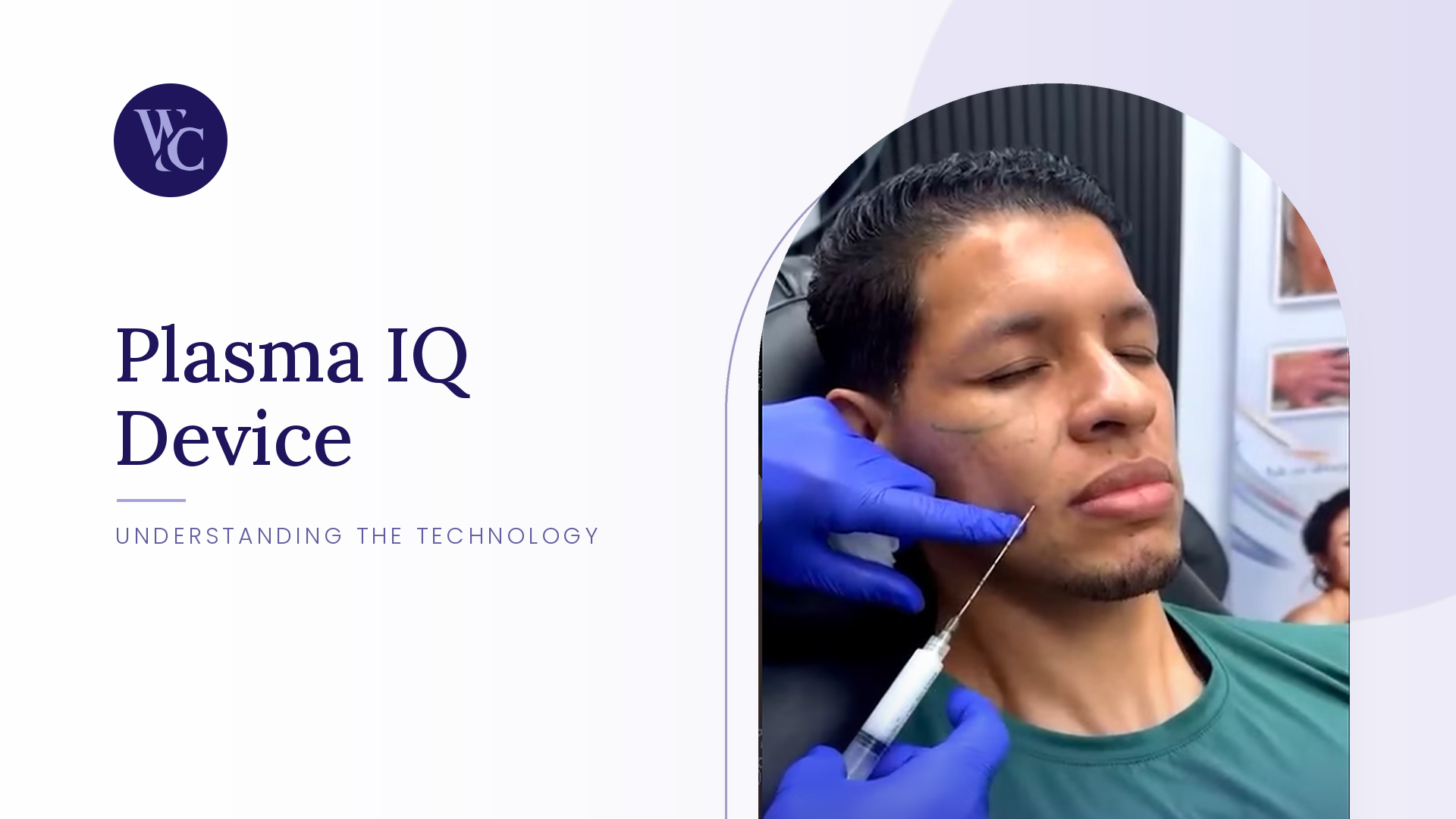
WaltCare also offers Plasma IQ treatment, which provides another example of why aesthetic technologies should be separated according to mechanism.
Plasma IQ creates controlled localized tissue effects and can be considered for selected concerns involving skin laxity and fine lines. Thread lifting mechanically repositions soft tissue beneath the skin.
These mechanisms are not interchangeable.
A patient with superficial skin changes around the eyes may have little reason to undergo a thread lift in that area if tissue descent is not the actual problem. Likewise, a patient with lower-face tissue descent may not achieve the desired repositioning from a surface-focused treatment alone.
WaltCare’s ability to evaluate several treatment categories allows the clinical team to identify which anatomical layer is contributing most to the concern.
This is one of the central principles of personalized facial rejuvenation: choose the treatment after identifying the problem.
What Should You Ask During a Thread Lift Consultation?
A good consultation should clarify both what the thread lift can accomplish and what it cannot.
Patients should begin by showing the provider exactly what bothers them rather than simply saying they want threads. Ask whether the concern is primarily related to tissue descent, volume loss, skin laxity, or another factor.
If thread lifting is recommended, ask what degree of change is realistic. Patients should understand where threads would be placed, what areas are expected to improve, what the recovery process may involve, and how long the result might reasonably persist without being promised an exact duration.
Ask about possible complications and what symptoms should prompt contacting the clinic. Patients should also discuss previous fillers, threads, facial surgery, energy-based treatments, and other aesthetic procedures.
Lifestyle matters as well. If a patient has an upcoming trip, wedding, beach vacation, sporting event, or other important commitment, that information should be discussed before scheduling treatment.
Finally, ask what alternative WaltCare treatments could address the same concern. Understanding the alternatives helps ensure that the decision to proceed with a thread lift is based on anatomy rather than simply on the patient’s initial treatment request.
Choosing Threadlift Miami Beach With Realistic Expectations
Thread lifting can occupy a useful space between topical or injectable aesthetic treatments and traditional facial surgery. For appropriately selected patients with mild to moderate tissue descent, absorbable threads can provide immediate repositioning with considerably less intervention than a surgical facelift.
At the same time, the evidence supports keeping expectations realistic. Contemporary reviews suggest immediate aesthetic improvement and a relatively low incidence of serious complications in appropriate patients, but high-quality evidence establishing predictable long-term durability remains limited.
For someone researching threadlift Miami Beach, this makes patient selection particularly important. A thread lift should not be chosen because it is described as a quick alternative to surgery. It should be chosen because the patient’s degree of laxity, facial anatomy, goals, and expectations align with what minimally invasive tissue repositioning can reasonably accomplish.
At WaltCare Clinic, facial rejuvenation can be approached through the complete aesthetic picture. Patients can discuss tissue position while also evaluating whether concerns involving volume, proportions, or skin quality would be better addressed through services such as Facial Harmonization, Restylane, or Plasma IQ.
The objective is not to use as many procedures as possible. It is to identify the anatomical reason for the patient’s concern and select the treatment or combination of treatments that logically addresses it.
Patients interested in a thread lift can schedule a consultation with WaltCare Clinic to discuss their facial anatomy, desired degree of correction, recovery expectations, and whether minimally invasive tissue repositioning fits their aesthetic goals.
WaltCare Clinic
6625 Miami Lakes Dr, Suite 381
Miami Lakes, FL 33014
Phone: (786) 673-0473
Medical Disclaimer
This content is for educational purposes only and does not replace personalized medical advice. Thread-lift candidacy, risks, recovery, and results vary by patient and should be evaluated by a qualified healthcare professional.