
Changing body weight and changing body contour are related concepts, but they are not the same goal. This distinction becomes especially important for people who maintain healthy habits or have already lost weight yet continue to notice an area that does not have the shape or definition they would like. Someone may feel comfortable with their overall weight while remaining bothered by a particular contour, just as another person may initially seek an aesthetic treatment when their primary objective is actually substantial weight reduction.
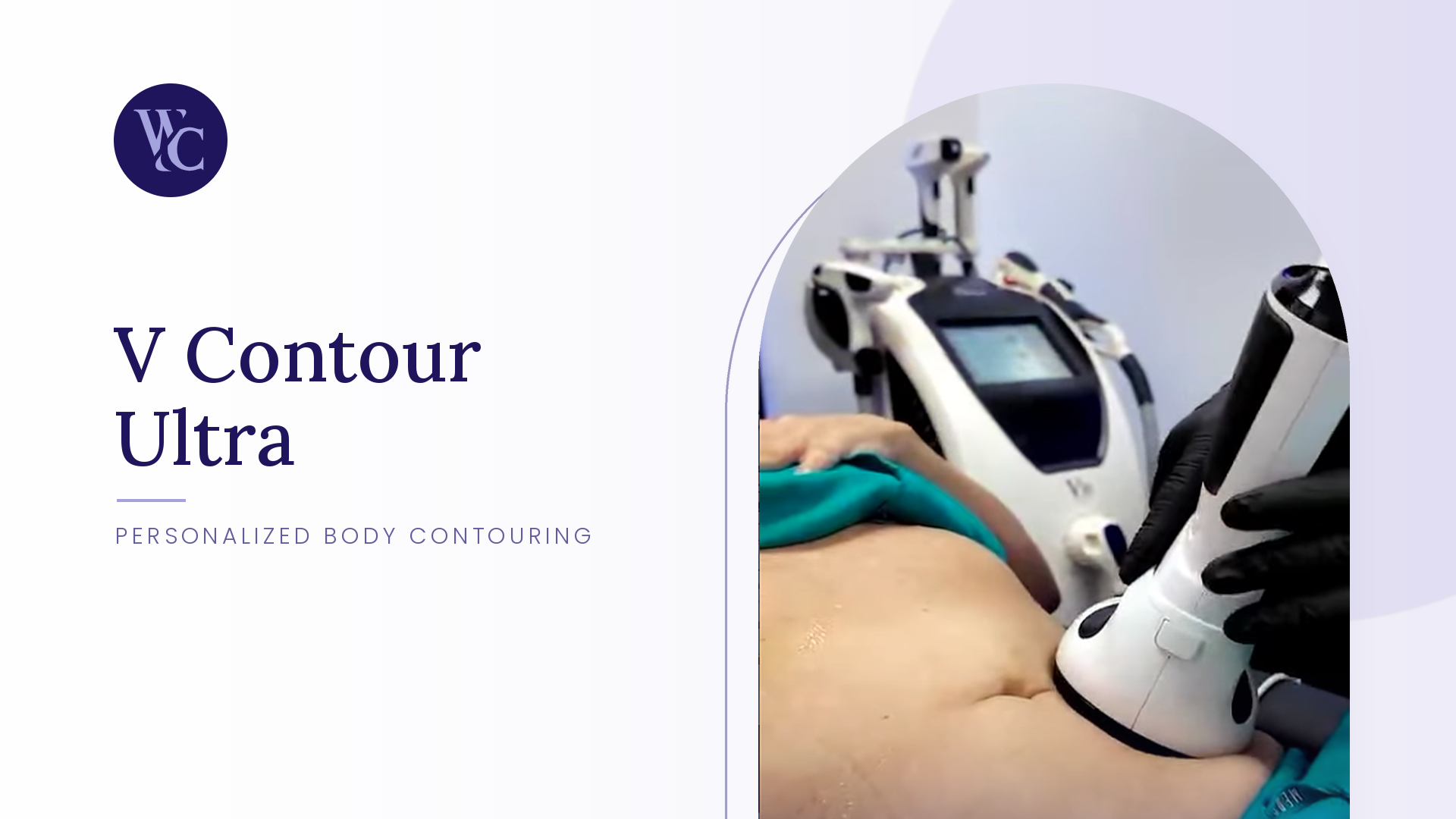
For patients researching V Contour Ultra, understanding this difference before selecting a treatment can create more realistic expectations. At WaltCare Clinic, V Contour Ultra is considered within a personalized aesthetic approach rather than presented as a universal solution for anyone who wants to look slimmer. WaltCare describes V Contour Ultra as a device-based aesthetic treatment option that may be explored for contour-focused goals, with candidacy determined through individual consultation.
That consultation is important because the appearance of an area can be influenced by several different factors. Overall body fat, localized fullness, skin laxity, muscle development, anatomy, previous weight changes, age, and even the proportions between adjacent areas can all affect what a patient interprets as a contour problem. Choosing an aesthetic procedure before identifying which factor matters most can lead to expectations that the treatment was never designed to fulfill.
The more useful starting point is therefore not simply, “Can V Contour Ultra make this area smaller?” It is, “What specifically am I trying to change, and does this treatment category correspond to that concern?” At WaltCare, that distinction allows contouring to be discussed separately from medical weight management and other aesthetic services, creating a treatment plan based on the patient’s actual goal rather than the popularity of a particular treatment name.
Body Contouring and Weight Loss Solve Different Problems
When body weight decreases, the body does not selectively decide which exact area will change first. Weight reduction occurs through systemic changes in energy balance and metabolism, and the distribution of those changes varies from person to person.
Genetics play an important role in where people tend to store body fat. Hormones, age, sex, previous weight changes, muscle distribution, and individual anatomy can also influence body shape. Two people with the same height and weight can therefore have noticeably different contours.
Body contouring approaches the problem from a different perspective. Instead of asking how much total body weight a person needs to lose, contour-focused treatment begins with a specific area and a specific aesthetic concern.
This distinction is particularly important for someone researching V Contour Ultra because expecting a localized aesthetic treatment to produce the same outcome as significant medical weight loss creates a mismatch from the beginning.
At WaltCare Clinic, patients whose primary objective is reducing overall body weight can discuss the clinic’s Medical Weight Loss program. That type of care focuses on weight-management goals, medical history, metabolic factors, medications when appropriate, nutrition, and longer-term strategies.
A contour-focused aesthetic treatment serves a different purpose. It may be considered when the patient’s concern is more localized and the overall objective is refinement rather than systemic weight reduction.
Knowing which of those goals matters most is one of the first steps toward selecting the appropriate treatment.
The Scale Cannot Tell You Everything About Body Shape
Body weight is a useful measurement in many health contexts, but it provides very little information about where weight is distributed or how the body looks.
A scale cannot distinguish between muscle, fat, bone, organs, and water. It cannot tell whether one area appears disproportionately full compared with another. It cannot identify skin laxity, cellulite, or changes that remain after substantial weight loss.
This explains why some patients become frustrated even after reaching a weight they originally considered their goal. They may expect a particular part of the body to change proportionally with overall weight loss and discover that their natural anatomy still produces a contour they would prefer to refine.
The opposite situation can also occur. Someone may focus intensely on one area and assume they need a contouring treatment when their primary concern is actually broader weight management.
At WaltCare, separating these scenarios helps establish the correct objective. If the patient wants to lose a meaningful amount of overall weight, the conversation should begin with medical weight management rather than attempting to accomplish that goal through localized aesthetic treatment.
If the patient’s weight is relatively stable and the concern involves a specific contour, then discussing a treatment such as V Contour Ultra may make more sense.
This is why the number on the scale should not be the only factor considered during an aesthetic consultation.
Why Stable Weight Can Matter When Considering Contouring
A patient’s weight history can provide useful context when evaluating contour-focused treatments.
Imagine someone undergoes a localized aesthetic treatment and then experiences a significant change in overall body weight shortly afterward. The appearance of the treated area may also change because the surrounding body composition has changed.
This does not necessarily mean every patient must maintain an identical weight forever. Normal fluctuations happen. The more important point is that body contour exists within the larger context of the patient’s body composition.
If someone is actively planning substantial weight loss, it may make sense to discuss how that goal fits with the timing of an aesthetic procedure. The contour that bothers the patient today may look different after meaningful weight reduction.
This is especially relevant for WaltCare because the clinic provides both aesthetic services and Medical Weight Loss. Patients do not need to treat these as competing options. Instead, the sequence can be considered according to their goals.
For some people, weight management logically comes first and contour evaluation follows once their weight has changed. For others, overall weight may not be the problem at all, making a localized aesthetic conversation more relevant from the beginning.
The consultation helps distinguish between these situations.
Localized Concerns Can Persist Even With Healthy Habits
One of the most frustrating aspects of body composition is that exercise and nutrition cannot precisely dictate where the body changes.
Physical activity can improve cardiovascular fitness, muscular strength, endurance, metabolic health, and body composition. Appropriate nutrition can support healthy weight management and numerous aspects of overall health. Those benefits are substantial.
What diet and exercise cannot guarantee is that a person will lose fat from one exact area according to preference.
The idea of “spot reduction” through exercise has long created unrealistic expectations. Performing repeated abdominal exercises can strengthen the abdominal muscles, but the body does not necessarily respond by selectively using fat stored directly above those muscles. Likewise, exercises targeting the arms or thighs can develop muscle without guaranteeing that fat distribution in those areas will change according to a specific aesthetic goal.
This helps explain why someone can be physically active and still have a localized contour that bothers them.
At the same time, the existence of a stubborn area does not automatically mean V Contour Ultra is appropriate. The provider still needs to determine what is contributing to the appearance and whether the treatment matches that concern.
Healthy habits and aesthetic treatment therefore do not need to be framed as opposites. A patient can maintain appropriate nutrition and exercise while still choosing to discuss a localized aesthetic concern with WaltCare.
Not Every Contour Concern Is Caused by Fat
When people see an area they want to make smaller or more defined, they often assume excess fat is the only explanation. This can lead to choosing treatments based on an incomplete understanding of the anatomy.
Skin laxity can change contour without a substantial amount of localized fat. Muscle development can affect proportions. Fluid retention can temporarily alter appearance. Changes after pregnancy or major weight loss can involve several tissue layers simultaneously.
The relationship between adjacent areas also matters. Sometimes what appears to be a problem in one location is partly a proportional issue involving the surrounding anatomy.
This is why WaltCare’s existing V Contour Ultra guidance emphasizes consultation and individualized evaluation rather than making universal promises about treatment.
During an aesthetic consultation, the provider can examine the area, listen to what the patient wants to change, review previous procedures and relevant medical history, and discuss whether the concern corresponds to the treatment being considered.
If the primary issue does not match what V Contour Ultra is intended to address, another strategy may be more appropriate.
This is an important part of personalized aesthetic care. Determining that a patient does not need the treatment they initially requested can be just as valuable as recommending it.
Contouring After Significant Weight Loss Requires a Different Perspective
Modern medical weight management has allowed some patients to achieve substantial weight reductions that previously felt extremely difficult to maintain. As body weight changes, however, patients may discover new aesthetic concerns.
Skin that previously accommodated a larger body volume may appear looser. Certain areas may retain fullness while others become considerably smaller. Body proportions can change. The face can lose volume, and areas of the body may develop contour irregularities that were not noticeable before weight loss.
These changes should not automatically be interpreted as evidence that more weight needs to be lost.
A patient can reach an appropriate weight and still have an aesthetic concern.
At WaltCare, this is particularly relevant because patients participating in Medical Weight Loss may eventually transition from a metabolic or weight-focused goal toward a contour-focused goal.
At that point, continuing to chase a lower number on the scale may not address what is actually bothering the patient. The problem has changed, so the treatment conversation needs to change with it.
This is where an aesthetic consultation can identify whether a localized contour treatment deserves consideration or whether skin quality, laxity, muscle tone, or another factor has become more important.
Why BMI Alone Should Not Determine an Aesthetic Treatment Plan
Body mass index, or BMI, can provide useful population-level and clinical information by relating weight to height, but it does not directly measure body composition or localized anatomy.
Someone with substantial muscle mass can have a relatively high BMI while having very different body composition from another person with the same BMI. Likewise, two patients with identical BMI values can store fat in completely different patterns.
The Centers for Disease Control and Prevention explains that BMI is a screening measure, not a direct measurement of body fat or a complete assessment of individual health.
This distinction is relevant to contouring because the decision to evaluate an area should not be based solely on reaching one mathematical threshold.
Medical history, overall health, body composition, treatment area, weight stability, aesthetic goals, expectations, and other individual factors may all contribute to treatment planning.
For WaltCare patients, BMI may form part of a broader health discussion when relevant, particularly within medical weight management, but it cannot tell a provider exactly what is creating a localized aesthetic concern.
The physical examination and consultation remain essential.
V Contour Ultra Should Not Be Used as a Shortcut Around Medical Weight Management
The appeal of localized contouring can sometimes create a tempting idea: instead of addressing broader weight concerns, perhaps several aesthetic treatments could simply reshape the areas someone dislikes most.
That approach misunderstands the purpose of contouring.
If a patient’s primary objective is substantial overall weight reduction, systemic weight management needs to be addressed directly. WaltCare’s Medical Weight Loss program exists specifically for patients whose goals involve weight reduction and metabolic management.
Aesthetic contouring should not be expected to substitute for that process.
Likewise, weight-loss medication should not be escalated simply because a patient wants a particular body area to look different. Once the concern becomes localized and aesthetic rather than primarily weight-related, continuing to reduce overall body weight may not necessarily create the desired proportion.
The two treatment categories can therefore complement each other when appropriately sequenced, but they should not be confused.
The patient benefits when the goal is clearly defined before the treatment is selected.
Why “Before and After” Photos Need Context
Body-contouring treatments are highly visual, making before-and-after photographs one of the first things prospective patients search for online.
These images can be useful, but they need context.
Photography conditions can significantly influence appearance. Lighting, posture, camera angle, muscle contraction, clothing position, distance from the camera, and even time of day can affect how a body contour appears.
More importantly, another person’s result does not reveal their starting anatomy, body composition, treatment plan, number of sessions, other procedures, weight changes, or lifestyle.
This is why patients should avoid using someone else’s photograph as a guaranteed preview of their own result.
At WaltCare Clinic, treatment goals can instead be established according to the patient’s starting point. Photographs may be useful for documenting progress, but the comparison that matters most is between the patient’s own baseline and subsequent outcome under consistent conditions.
Aesthetic improvement is individualized. The purpose is not to reproduce another person’s body shape.
A Contouring Treatment Should Have a Specific Goal
“I want to look better” is understandable, but it is difficult to use as a treatment endpoint.
A more useful aesthetic goal identifies what specifically the patient wants to change.
Perhaps an area appears less defined than desired. Maybe one region looks disproportionate relative to the surrounding anatomy. A patient may notice changes following weight loss or simply want to discuss whether a particular contour can reasonably be refined.
These goals give the WaltCare provider something concrete to evaluate.
The consultation can then address whether the desired change matches the treatment category and how improvement would be assessed.
This also protects against endless treatment escalation. Without a defined goal, patients can continually search for another session or procedure because there is no clear point at which the original objective has been achieved.
Realistic treatment planning should therefore include not only what the patient wants to improve but also what degree of change would feel meaningful.
Why Aesthetic Contouring Is Not the Same as Treating Obesity
Obesity is a chronic medical condition associated with health risks that can include cardiovascular disease, type 2 diabetes, sleep apnea, certain cancers, joint problems, and other complications.
Its management can involve nutrition, physical activity, behavioral interventions, medications, treatment of associated medical conditions, and other strategies depending on the individual.
Body contouring has a different objective.
An aesthetic treatment may address appearance in a particular area, but it does not replace comprehensive obesity management or eliminate the systemic health considerations associated with excess body weight.
The National Institute of Diabetes and Digestive and Kidney Diseases provides extensive information on evidence-based weight management and emphasizes that treatment strategies depend on individual health circumstances.
For WaltCare patients, separating these objectives is important. Someone seeking improvement in metabolic health should approach the clinic through its medical weight-management services. Someone whose weight is not their primary concern but who wants to discuss localized contour may have a different consultation.
The existence of aesthetic treatment does not reduce the importance of medical weight management, and medical weight loss does not make aesthetic concerns invalid. They simply address different goals.
Lifestyle Still Matters After Contouring Treatment
Aesthetic treatment does not freeze the body in place.
Body weight can change. Muscle mass can increase or decrease. Pregnancy, aging, hormonal changes, medications, illness, and lifestyle can influence body composition over time.
This means patients should think about contouring within the context of their longer-term plans.
Someone anticipating major weight loss may want to discuss timing. A patient planning pregnancy may have different considerations. Someone whose weight fluctuates substantially may need to understand that future body changes can influence the appearance of the treated area.
Healthy habits remain important regardless of aesthetic treatment. Regular physical activity, appropriate nutrition, sleep, hydration, and routine medical care support overall health even though they cannot guarantee a particular body shape.
At WaltCare, V Contour Ultra should therefore fit into the patient’s existing health and aesthetic strategy rather than being viewed as a replacement for it.
Why WaltCare Evaluates Previous Aesthetic Treatments
Patients increasingly arrive at aesthetic clinics with a history of previous procedures. Some may have undergone other contouring treatments, injections, energy-based procedures, surgery, or significant medical weight loss.
This history matters.
Previous procedures can change tissue characteristics and influence how a provider evaluates the area. A patient may also have been disappointed by a previous treatment because their original expectations did not match what the procedure could accomplish.
Discussing those experiences helps WaltCare understand both the anatomy and the patient’s expectations.
Patients should be prepared to explain which treatments they have received, approximately when they received them, and how they responded. If they experienced unusual reactions or complications, that information is particularly important.
This is another reason why treatment selection should not happen solely through online research. Two patients interested in V Contour Ultra may arrive with completely different treatment histories and therefore require different recommendations.
When Another WaltCare Treatment May Make More Sense
Personalized aesthetic care sometimes means recommending something other than the treatment the patient initially searched for.
If the primary objective is overall weight reduction, WaltCare’s Medical Weight Loss pathway may be more appropriate.
If the concern involves facial proportions or facial volume rather than body contour, the clinic’s Facial Harmonization services can address the face according to a different aesthetic framework.
Likewise, concerns involving localized skin laxity or specific facial areas may require another technology entirely. WaltCare’s Plasma IQ treatment works through a mechanism that is fundamentally different from contour-focused treatment.
These options should not be interpreted as interchangeable items on a menu. Each exists because different anatomical problems require different strategies.
The benefit of having multiple treatment categories available is the ability to say, “This is the concern you have, and this is the approach that most logically corresponds to it.”
What Should You Ask During a V Contour Ultra Consultation?
Patients can make a V Contour Ultra consultation considerably more useful by arriving with questions focused on their own anatomy rather than only on the treatment name.
Start by asking what the provider believes is contributing to the appearance of the area you want to change. Is the concern primarily localized fullness, skin laxity, body proportions, overall weight, or another factor?
Ask what V Contour Ultra is intended to address in your specific case and what it is not expected to change. Understanding limitations is just as important as understanding potential benefits.
Patients should also discuss how their current weight and future weight goals influence treatment planning. If you intend to lose a significant amount of weight, ask whether it makes sense to pursue that goal before reevaluating the contour.
Previous procedures should be discussed, along with medications and relevant medical history.
Finally, ask how progress will be assessed. What degree of change is realistic? When should the area be reevaluated? Are additional treatments sometimes considered, and what would determine whether they are appropriate?
A useful consultation should leave the patient understanding why a treatment was recommended, not simply knowing its name.
V Contour Ultra and the Importance of Realistic Expectations
Aesthetic medicine works best when the treatment objective and the treatment mechanism align.
Someone seeking substantial weight reduction has a fundamentally different goal from someone who is already comfortable with their overall weight but wants to refine a localized contour. Treating those patients as though they have the same problem would create unrealistic expectations for both.
For patients researching V Contour Ultra, WaltCare Clinic emphasizes individualized consultation before treatment. The clinic’s current guidance describes V Contour Ultra as a device-based aesthetic option for contour-focused goals and specifically emphasizes reviewing medical history, concerns, previous treatments, expectations, and individual suitability before proceeding.
That approach is particularly important because publicly available information about treatments using the V Contour Ultra name is inconsistent. Patients should rely on the exact treatment, protocol, and information provided by WaltCare rather than assuming that descriptions from unrelated clinics or similarly named products apply to the treatment they will receive.
The goal is not to promise a specific number of inches lost, a guaranteed transformation, or a predetermined result. Individual anatomy and response matter, and aesthetic outcomes cannot be guaranteed.
Creating a More Complete Contouring Plan at WaltCare Clinic
The most useful question for a patient considering V Contour Ultra is ultimately not “How much weight will I lose?” because localized aesthetic contouring and medical weight loss are different treatment objectives.
Instead, patients should ask what is creating the contour they want to change and whether V Contour Ultra is an appropriate way to address that specific concern.
At WaltCare Clinic, patients can discuss those goals within a broader aesthetic and wellness environment. If the concern is primarily localized and contour-focused, V Contour Ultra can be evaluated according to individual suitability. If overall weight is the central issue, Medical Weight Loss provides a more appropriate pathway. When the concern involves another anatomical layer or area, WaltCare’s other aesthetic services can be considered according to their respective purposes.
This distinction makes treatment planning more precise. It also protects patients from expecting one procedure to accomplish something it was never designed to do.
Aesthetic care does not need to be about becoming as small as possible or pursuing every available procedure. For many patients, the goal is much more specific: improving a particular contour while maintaining a natural relationship with the rest of the body.
Patients interested in V Contour Ultra can schedule a consultation with WaltCare Clinic to discuss the area they would like to address, their weight history, previous treatments, expectations, and whether a contour-focused aesthetic treatment aligns with their individual goals.
WaltCare Clinic
6625 Miami Lakes Dr, Suite 381
Miami Lakes, FL 33014
Phone: (786) 673-0473
Medical Disclaimer
This content is for educational purposes only and does not replace personalized medical advice. V Contour Ultra candidacy and outcomes vary by patient and should be determined through professional evaluation.