Skip to content

Understanding Where Non-Surgical Skin Tightening Fits
Many patients reach a point where they notice changes in facial definition, skin firmness, or overall appearance. They begin researching options but are unsure whether they need surgery or whether a non-surgical approach may better match their goals.
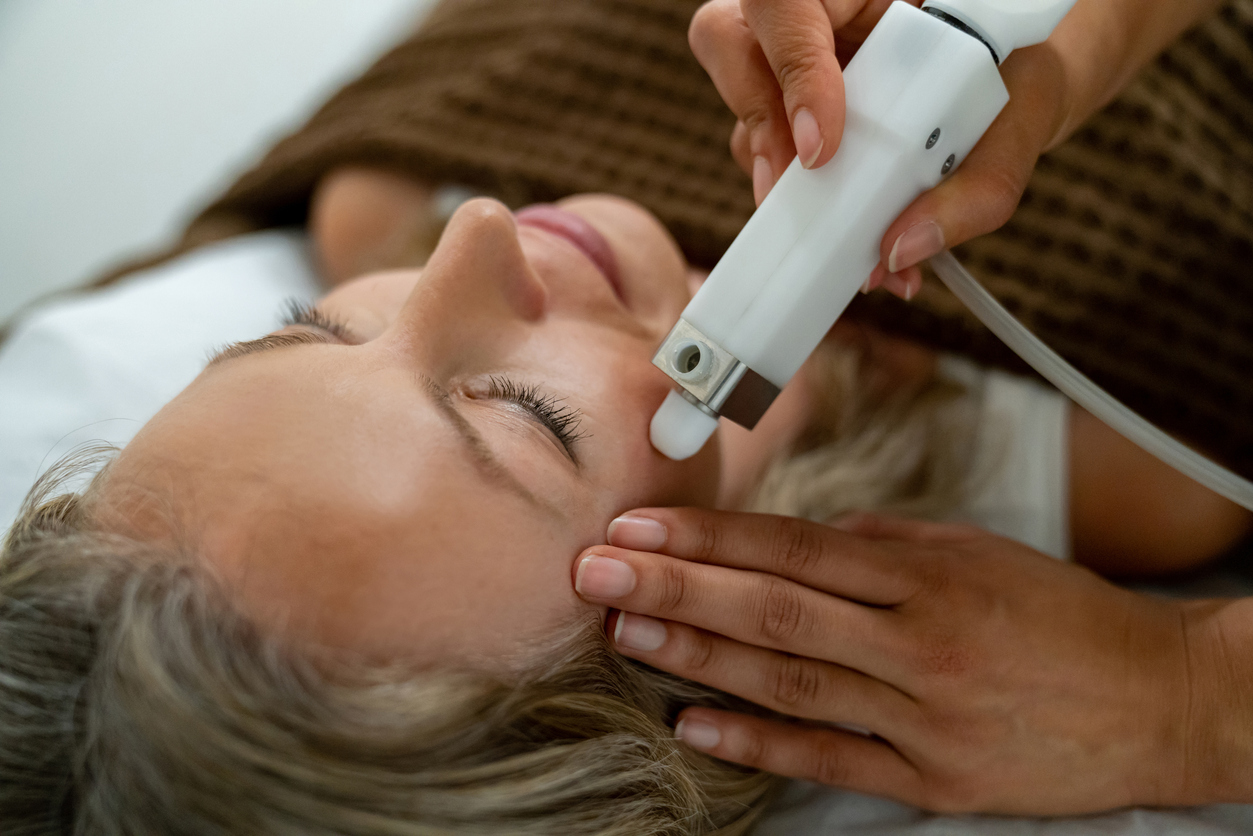
A Laser Face Lift is a term commonly used to describe non-surgical skin tightening approaches that use laser technology to support improvements in skin appearance. These treatments are generally considered within the spectrum of aesthetic care for patients who want to explore options before considering surgery.
The key question is not whether one option is better than another. The question is which approach matches your degree of skin laxity, expectations, and personal goals.
At WaltCare Clinic, consultation begins with evaluating your concerns, reviewing your medical history, and understanding what type of improvement you are hoping to achieve.
What Patients Should Know About Laser Face Lift Options
The term Laser Face Lift can create confusion because it sounds similar to a surgical facelift. However, these approaches are different.
A surgical facelift involves a procedure performed by a qualified surgeon to address more significant changes related to facial aging and tissue laxity. Non-surgical skin tightening approaches use energy-based technologies designed to support improvements in skin appearance without being a replacement for surgery.
According to patient education resources from organizations such as the American Society of Plastic Surgeons, surgical procedures and non-surgical treatments serve different purposes and are selected based on patient goals and anatomy.
Non-surgical approaches may be considered by patients who:
- Have mild to moderate concerns about skin laxity
• Want to explore options with less downtime
• Prefer a gradual approach
• Are not ready for surgery
• Want to support overall skin quality
Patients with more advanced skin laxity or significant tissue changes may receive a recommendation for surgical evaluation instead.
A qualified provider should explain these differences clearly during consultation.
How Providers Evaluate Skin Quality and Tissue Laxity
A successful aesthetic plan starts with assessment.
Before recommending any treatment, a provider evaluates several factors that influence whether a non-surgical approach may be appropriate.
Skin quality assessment
Skin texture, elasticity, and overall condition are important considerations.
The provider may examine:
- Skin thickness
• Surface texture
• Areas of laxity
• Existing concerns
• Overall facial balance
Skin quality can influence how a patient responds to treatment.
Degree of laxity
Not all skin laxity is the same.
Some patients have early changes that may respond to non-surgical approaches. Others may have more advanced changes where surgery could provide a more appropriate solution.
The consultation helps identify where each patient falls on that spectrum.
Personal goals
Two patients with similar concerns may choose different paths.
One person may prefer gradual improvement with less downtime. Another may want a more significant structural change and may consider surgical options.
The provider’s role is to explain available choices based on the patient’s priorities.
Non-Surgical Skin Tightening vs Facial Surgery: Understanding the Difference
Patients often compare non-surgical treatments with surgery because they want to understand what each option can realistically offer.
Both approaches have a place in aesthetic care, but they address different levels of concern.
Consideration | Non-Surgical Skin Tightening | Facial Surgery |
Main focus | Supporting skin appearance and firmness | Addressing more significant tissue changes |
Approach | Energy-based aesthetic treatments | Surgical procedure |
Downtime | Typically less downtime compared with surgery | Usually involves surgical recovery |
Results | May be more gradual and vary by patient | Designed for more significant structural changes |
Best suited for | Patients with specific skin quality concerns | Patients seeking correction of advanced laxity |
The American Society of Plastic Surgeons and American Academy of Dermatology emphasize that treatment selection depends on individual circumstances, goals, and professional evaluation.
A non-surgical approach should not be viewed as a replacement for surgery. Instead, it may be one option within a broader range of aesthetic choices.
Factors That Influence Your Treatment Decision
Choosing between different aesthetic options requires more than looking at treatment names.
A provider considers:
- The amount of skin laxity present
• Your expectations
• Your preferred level of downtime
• Your health history
• Your willingness to follow maintenance recommendations
Lifestyle also plays a role.
Patients in Miami and South Florida often consider treatments that fit their active routines. Outdoor activities, sun exposure, and the local climate may influence how people approach long-term skin care.
A consultation helps balance your aesthetic goals with what is realistic for your situation.
Questions to Ask During Your Consultation
A consultation is your opportunity to understand whether a treatment approach matches your goals.
Many patients research aesthetic options online before their appointment, but the questions they ask during the consultation can help them make a more informed decision.
Consider asking:
- Am I a good candidate for a non-surgical skin tightening approach?
• What level of skin laxity can this type of treatment address?
• Would surgery be a more appropriate option for my concerns?
• What factors will you evaluate before recommending treatment?
• What type of improvement should I realistically expect?
• How does my skin quality affect the treatment plan?
• What maintenance may be recommended over time?
These questions encourage an honest discussion between you and your provider.
A qualified professional should explain both the possibilities and the limitations of the treatment being considered.
Setting Realistic Expectations Before Treatment
One of the most important parts of choosing an aesthetic treatment is understanding what the treatment can realistically support.
Patients often have different expectations when they begin researching skin tightening options.
Some may be looking for subtle refinement. Others may hope to address more noticeable changes.
A consultation helps clarify what is realistic based on:
- Your skin condition
• Your degree of laxity
• Your anatomy
• Your personal goals
• The type of treatment selected
Non-surgical approaches may help improve the appearance of certain skin concerns, but they do not create the same changes as a surgical facelift.
A provider should explain what the treatment is designed to address and whether another option may better match your expectations.
Results vary between individuals, and suitability is determined during a professional consultation.
How Miami Patients Approach Facial Rejuvenation Decisions
Patients in Miami and Miami Lakes often look for aesthetic options that fit their lifestyle.
South Florida’s year-round outdoor environment means many people pay close attention to skin appearance, sun exposure, and long-term maintenance.
The region’s diverse and bilingual patient population also highlights the importance of clear communication during aesthetic consultations.
A good treatment decision requires understanding the available options, asking questions, and choosing an approach that aligns with your personal priorities.
The goal is not choosing the most advanced-sounding option. The goal is choosing an approach that makes sense for your specific concerns.
Frequently Asked Questions About Laser Face Lift
What is a Laser Face Lift and how does it compare with surgery?
A Laser Face Lift refers to non-surgical skin tightening approaches that use laser technology to support improvements in skin appearance. These treatments are different from surgical facelifts, which involve surgical techniques to address more significant tissue changes. A provider can help determine which option fits your goals.
Is a Laser Face Lift the same as a surgical facelift?
No. A Laser Face Lift is not the same as a surgical facelift. Non-surgical treatments and surgical procedures serve different purposes. Surgery may be more appropriate for patients with advanced laxity, while non-surgical approaches may be considered for certain skin quality concerns.
Who may be a candidate for non-surgical skin tightening?
Patients with mild to moderate concerns about skin laxity may explore non-surgical options. However, candidacy depends on individual factors, including skin quality, anatomy, medical history, and expectations. A provider evaluates these factors during consultation.
How does a provider decide if non-surgical treatment is appropriate?
A provider reviews your goals, examines skin quality, evaluates tissue laxity, and discusses your expectations. This assessment helps determine whether a non-surgical approach aligns with your needs or whether another option should be considered.
Can non-surgical skin tightening replace a facelift?
No. Non-surgical treatments are not replacements for facelift surgery. They may support improvements in certain aesthetic concerns, but patients with more significant tissue laxity may benefit from discussing surgical options with a qualified professional.
Choosing the Right Approach for Your Goals
Choosing between surgical and non-surgical facial rejuvenation begins with understanding your own goals and the level of change you want to achieve.
A Laser Face Lift may be an option for patients exploring non-surgical skin tightening approaches, but it is not designed to replace surgical procedures. The right choice depends on your skin quality, degree of laxity, expectations, and personal preferences.
At WaltCare Clinic, consultations focus on helping patients understand their options through personalized evaluation. A licensed provider reviews your medical history, concerns, and goals before recommending an appropriate approach.
Schedule a consultation to explore non-surgical facial rejuvenation options.