Skip to content

Why Sensitive Skin Patients Are Exploring Picolaser for Rosacea
You have probably heard it before: “Your skin is too sensitive for lasers.” For many people with rosacea, that sentence creates uncertainty. If your face flushes easily, reacts to skincare products, or becomes uncomfortable with heat, the idea of a laser treatment can feel intimidating.
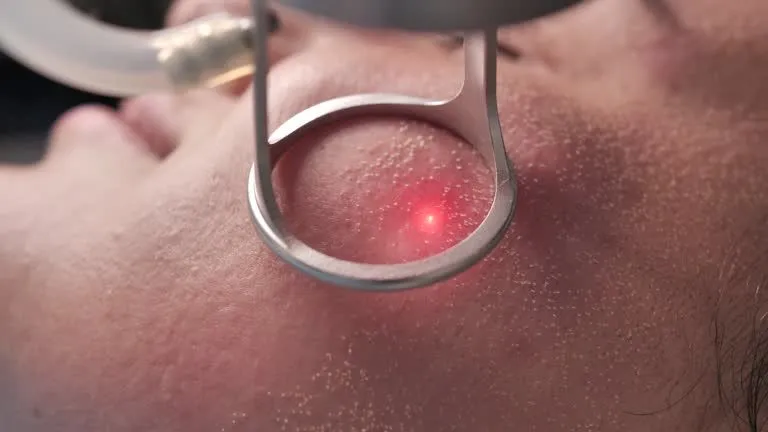
This is why many patients researching Picolaser Miami options are looking specifically for technology that may be more suitable for sensitive skin concerns. Picolaser uses extremely short energy pulses designed to target specific areas of the skin while limiting the amount of heat delivered to surrounding tissue.
For rosacea-prone patients, the goal is not to completely change how their skin behaves. Rosacea is a complex condition influenced by genetics, environment, lifestyle factors, and individual skin responses.
Before recommending any treatment, a provider evaluates your skin condition, redness pattern, triggers, and expectations. At WaltCare Clinic in Miami Lakes, the consultation process focuses on understanding your skin first and determining whether picolaser is an appropriate option.
How Picolaser Miami Works Differently for Sensitive Skin
Not all laser technologies work the same way. Some treatments are designed to remove surface layers of skin, while others focus on pigment, vascular concerns, or specific changes within the skin.
Picolaser technology delivers energy in picosecond pulses, which are extremely short bursts of energy. This allows the treatment to focus on targeted areas while reducing the amount of time heat remains within the skin.
For patients with sensitive or reactive skin, this difference may be an important consideration when exploring Picolaser Miami treatments.
A provider may consider picolaser when the main concerns include:
- The appearance of certain types of facial redness.
- Visible superficial blood vessels.
- Uneven tone associated with specific skin concerns.
- Skin changes related to previous environmental exposure.
However, rosacea does not present the same way for everyone. Some patients experience mostly flushing, while others have persistent redness or visible capillaries.
Understanding the source of your symptoms is essential because not all redness responds the same way to laser treatments.
What Makes Rosacea-Prone Skin Different During Laser Treatment
Sensitive skin requires a more personalized approach. Rosacea-prone skin may react more strongly to environmental changes, skincare ingredients, and temperature shifts.
During a consultation, your provider considers several characteristics before recommending a treatment plan.
Skin Type and Sensitivity Level
A provider may evaluate:
- Your natural skin tone.
- Current redness patterns.
- History of irritation or sensitivity.
- Previous cosmetic procedures.
- Products currently used on your skin.
This assessment helps determine whether your skin is in an appropriate condition for treatment and whether adjustments are needed.
Active Triggers and Rosacea Patterns
Rosacea triggers vary between patients. Common factors that may contribute to redness episodes include:
- Sun exposure.
- Heat.
- Stress.
- Temperature changes.
- Certain foods or beverages.
- Irritating skincare products.
Patients in South Florida often deal with additional environmental factors. Miami’s year-round sunshine, outdoor lifestyle, heat, and humidity can make trigger management especially important for people with reactive skin.
Active Flare Versus Stable Skin
Timing matters when considering laser treatments. If your skin is experiencing a significant flare, irritation, or inflammation, your provider may recommend addressing those concerns before moving forward.
Treating during a calmer period allows for a more accurate evaluation of your baseline skin condition and treatment goals.
What a Realistic Picolaser Treatment Series Looks Like for Rosacea
Many patients want to know how many sessions they may need before starting treatment. The answer depends on the type of redness being addressed, your skin response, and your individual goals.
A treatment plan often involves multiple sessions spaced several weeks apart. The exact schedule is determined during your consultation.
During a session, patients may experience:
- A light snapping sensation on the skin.
- Mild warmth during treatment.
- Temporary sensitivity afterward.
The experience varies depending on the treatment area, settings used, and individual comfort level.
After treatment, your provider may recommend protecting your skin from common triggers. This may include limiting excessive heat exposure, following a gentle skincare routine, and maintaining consistent sun protection.
A typical treatment process may look like this:
Stage | What Happens |
Consultation | Your provider reviews your rosacea history, skin sensitivity, triggers, and expectations. |
First session | Treatment settings are customized based on your skin characteristics. |
Follow-up visits | Your provider evaluates your response and determines next steps. |
Long-term care | Skin protection and trigger management remain important for ongoing results. |
Every patient responds differently. A professional consultation helps determine what approach may be appropriate for your skin.
What Picolaser Can and Cannot Address in Rosacea
Understanding what a treatment can realistically do is an important part of making a decision.
Picolaser may help improve the appearance of certain rosacea-related concerns, particularly some forms of redness and visible superficial vessels.
However, picolaser does not address every aspect of rosacea.
It may not directly treat:
- All types of facial redness.
- Internal inflammatory factors linked to rosacea.
- Every trigger that causes flushing.
- Skin reactions caused by unsuitable products.
For example, someone concerned mainly about visible broken capillaries may have different treatment considerations than someone whose primary symptom is frequent flushing from heat or stress.
A licensed provider evaluates candidacy based on your skin type, medical history, current condition, and expectations before recommending treatment.
How Miami Weather Can Affect Rosacea-Prone Skin
Living in Miami and Miami Lakes means enjoying outdoor activities throughout the year. However, the same environment that makes South Florida appealing can also create challenges for sensitive skin.
Sun exposure is one of the most common concerns for many people with rosacea. Spending time outdoors without proper protection may contribute to increased sensitivity and visible redness.
Heat and humidity can also influence how reactive skin behaves. Many patients notice that sweating, hot weather, and sudden temperature changes can trigger flushing episodes.
For patients considering Picolaser Miami, understanding these environmental factors is an important part of preparing for treatment and maintaining healthy skin habits.
A personalized plan may include recommendations for sun protection, skincare adjustments, and lifestyle strategies that support your skin before and after treatment.
Other Sensitivity-Focused Treatments That May Support Your Skin Goals
Rosacea care often involves multiple strategies rather than one single treatment.
Depending on your consultation, your provider may discuss additional options that support sensitive skin, including:
- Gentle skincare routines.
- Hydration-focused treatments.
- Sun protection strategies.
- Medical recommendations when appropriate.
Each patient has different skin concerns. A treatment that works well for one person may not be the right choice for another.
WaltCare Clinic also offers other aesthetic treatments, including Sculptra treatments, which are evaluated separately based on individual goals and skin needs.
The priority is always choosing an approach that matches your specific concerns.
Frequently Asked Questions About Picolaser Miami
Is Picolaser Miami suitable for rosacea-prone sensitive skin?
Picolaser Miami may be considered for some patients with rosacea-related concerns, but suitability depends on your skin type, current condition, medical history, and treatment goals. A licensed provider evaluates your candidacy before recommending any procedure.
Can picolaser remove rosacea permanently?
Picolaser is not a cure for rosacea. It may help improve the appearance of certain concerns related to redness, but results vary depending on the individual, the type of rosacea, and ongoing environmental triggers.
How many Picolaser Miami sessions are usually needed?
The number of sessions varies from patient to patient. Some individuals may benefit from a series of treatments, while others may require a different approach depending on their specific skin concerns.
Does picolaser hurt if I have sensitive skin?
Patients describe the sensation differently. Many report mild warmth or small snapping sensations during treatment. Your provider adjusts the treatment approach based on your comfort and skin response.
What should I avoid before and after a picolaser session?
Your provider gives recommendations based on your skin condition. Common considerations may include avoiding excessive sun exposure, limiting known triggers, and following a gentle skincare routine during the recovery period.
Making an Informed Decision About Rosacea Treatment
Choosing a laser treatment for rosacea starts with understanding your own skin. Sensitive skin requires careful evaluation, realistic expectations, and a treatment plan based on your individual needs.
Picolaser Miami may be an option for patients interested in improving the appearance of certain redness concerns with a precise laser approach. However, the right treatment depends on your rosacea pattern, skin condition, and personal goals.
At WaltCare Clinic, a licensed provider evaluates your skin, medical history, and expectations before recommending any procedure.
Schedule a skin consultation at WaltCare Clinic in Miami Lakes to find out if picolaser is right for your skin.